CHICO (530) 894-1800 | REDDING (530) 227-1717 | GRASS VALLEY (530) 534-1100

CHICO (530) 894-1800 | REDDING (530) 227-1717 | GRASS VALLEY (530) 534-1100

Serving Northern California with dependable plumbing since 2005.
How It Started
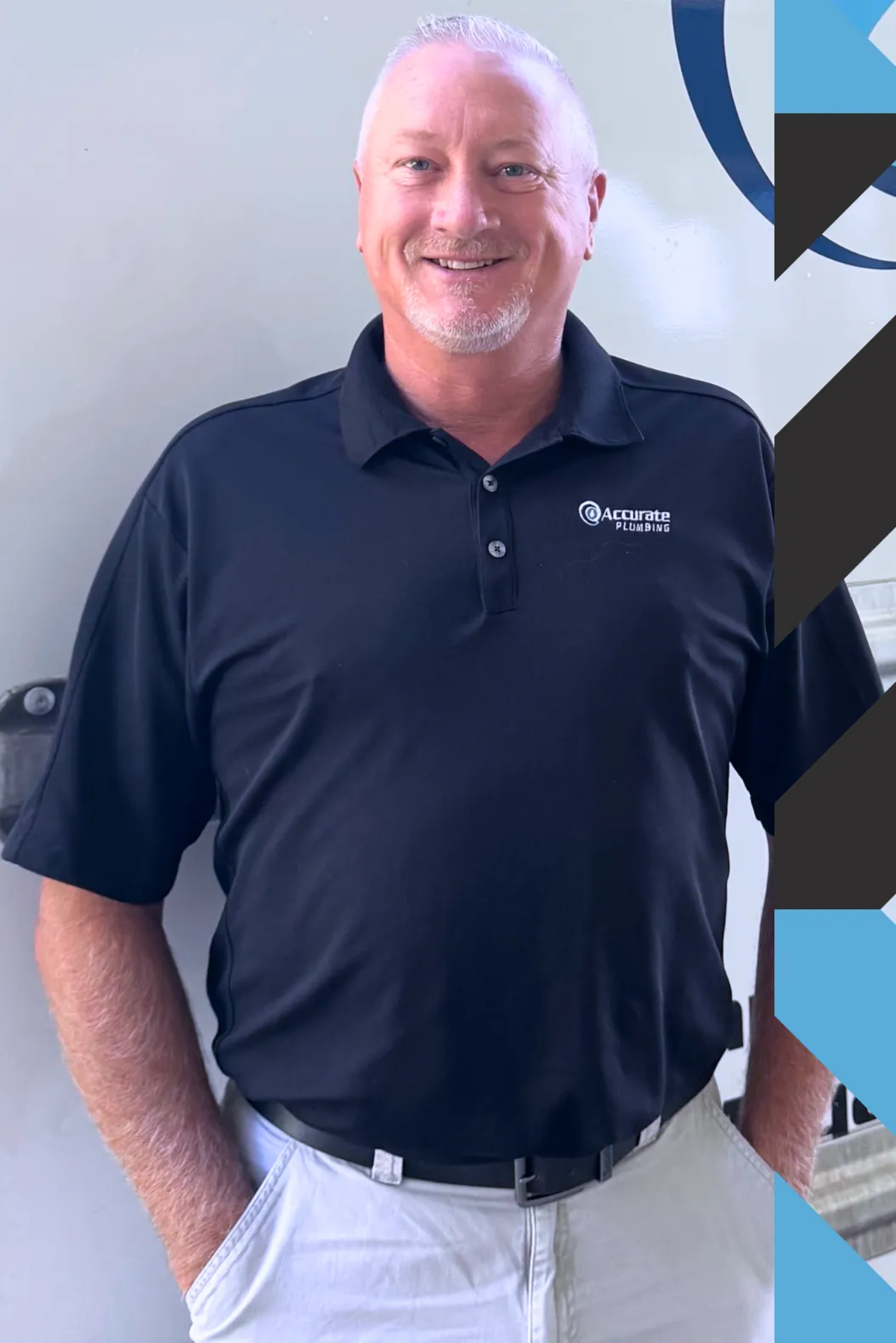
Accurate Plumbing was founded in 2005 by Gene Hubbard in Chico, California. After years of working for a local plumbing company, Gene saw an opportunity to serve the community better. He believed Chico deserved more options and higher standards when it came to plumbing services. So he built a company focused on doing things the right way.
From the beginning, the mission was simple. Make customers' lives easier by fixing their plumbing correctly the first time. No shortcuts. No inflated pricing. No unnecessary work.
Growing with Our Communities
Fire through new construction plumbing
Sacramento to the Oregon border, and
from Clearlake to Pollock Pines
Serving 17 Counties Across Northern California
What began as a two-man operation has grown into a thriving plumbing company serving 17 counties across Northern California. In 2025, we nearly tripled our service area, extending from northern Sacramento to the Oregon border, and from Clearlake to Pollock Pines.
Still Family-Owned.
Now Second Generation Led.
After more than 20 years in business, Accurate Plumbing remains a family-owned small business. The company is now led by the second generation of the Hubbard family, with a continued focus on customer satisfaction, expanded service options, and training the next generation of plumbers.
We are proud to have customers who have trusted us for 20 years. Many new customers find us through word of mouth and our strong reputation on Google. Long-term relationships are earned through consistency.
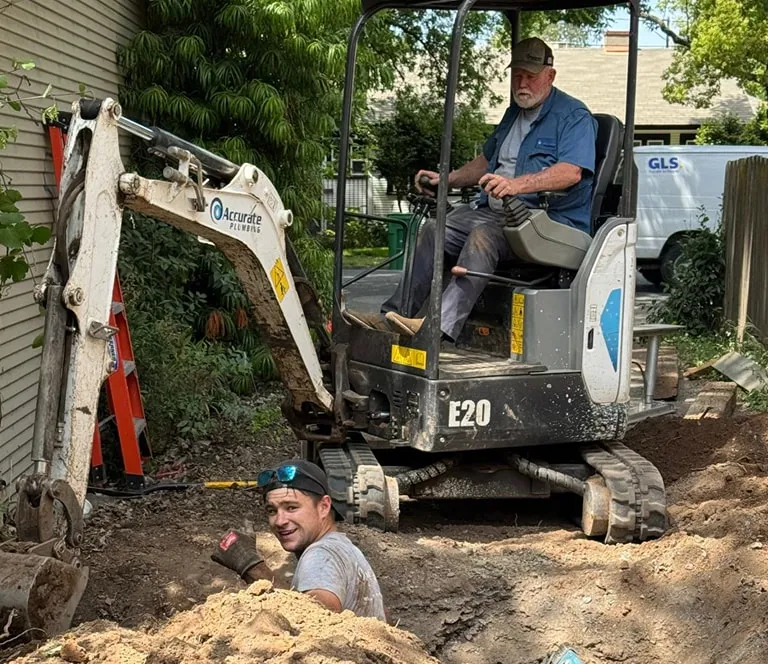
Exceptional Plumbing, Every Time
We deliver reliable, high-quality plumbing solutions tailored to your needs. From emergency repairs to routine service, our experts are ready 24/7 to ensure your home runs smoothly.
Always On Call
Our team is on-call 24/7 to tackle any plumbing emergency—day or night.
Transparent Pricing
Upfront, honest estimates with no hidden fees—always know what you’ll pay.
Certified Expertise
Skilled, vetted technicians delivering flawless workmanship on every job.
Complimentary Assessment
Book a free, no-obligation site evaluation at your convenience.
Experience Unmatched Luxury with Our Premier Plumbing Services
Essential Plumbing Services
Our team handles everything from leak detection and drain cleaning to sewer & septic care, gas-line checks, well-pump maintenance, trenchless pipe replacement, and more—keeping your system running flawlessly.
Learn More
24/7 Emergency Services
When every minute counts, count on us. We arrive fast to tackle leaks, clogged drains, flooding, water-heater failures, blocked pipes, and other urgent issues—any time, day or night.
Learn More
Professional Installations
Upgrade with confidence: we expertly install toilets, sinks, showers, tankless and conventional heaters, water- and sewer-lines, filtration/softening systems, pumps, remodels, whole-house re-plumbs, and more for lasting performance.
Learn More
Every Home. Every Detail. Every Word Matters.
Hear directly from the homeowners who’ve experienced our elevated plumbing solutions.
Insights That Flow From Experience.
Explore helpful tips, client stories, and expert advice from homeowners who trust Accurate Plumbing to get the job done right every time.
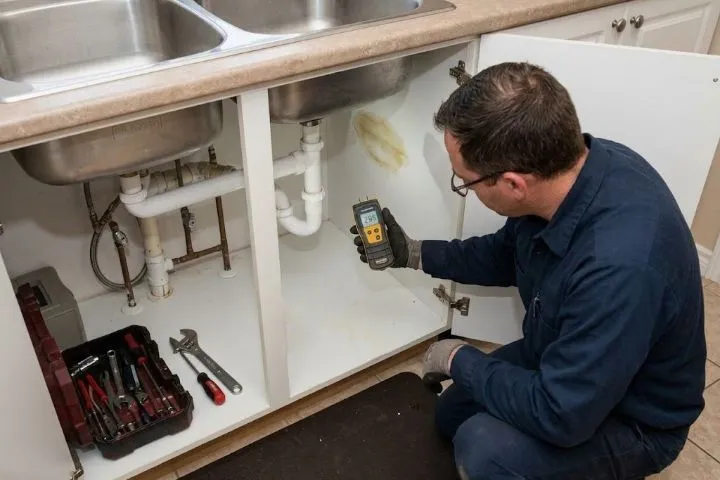
Common Issues Caught Before They Become Emergencies
Plumbing emergencies often start days or weeks before water reaches the floor or sewage backs into a fixture. Earlier clues can include pressure changes, recurring moisture, slow drains, corrosion, or unreliable hot water. Connecting those patterns helps you respond before a developing problem turns into an urgent household disruption.
Early attention does not require treating every drip, odor, or unusual sound like an immediate crisis. Instead, a technician considers where the symptom appears, how often it returns, and which fixtures react together. Careful evaluation separates minor wear from conditions that could interrupt water service or damage your Northern California home.
From Minor Symptoms to Plumbing Emergencies
Common issues include minor leaks, weakened supply connections, unstable pressure, restricted drains, and water heater changes. Stiff shutoffs, corrosion, recurring odors, or symptoms across several fixtures often show whether the problem is progressing. A technician recognizes those conditions early and explains which ones could develop into plumbing emergencies.
The Leak You See May Not Be the Only Damage
Visible drips rarely show how long water has affected the cabinet, wall cavity, or nearby flooring. Moisture sometimes travels along a pipe or framing member before appearing.
Discoloration, mineral deposits, or musty odors can reveal a hidden water leak and nearby material damage. Even a dry surface warrants attention when nearby corrosion suggests repeated moisture rather than one accidental spill.
Worn seals, loose fittings, and weakened supply connections may become sources of plumbing emergencies as deterioration progresses. Your technician should also explain whether another professional needs to assess surrounding materials after the plumbing repair.
When Pressure Changes Raise the Risk of Plumbing Emergencies
Water pressure should remain within a suitable range for your fixtures, appliances, valves, and supply connections. Sudden pressure loss may point toward leakage, mineral buildup, a partially closed valve, or a failing pressure regulator. Excessive water pressure can strain flexible connectors, fixture seals, and appliance components throughout your home.
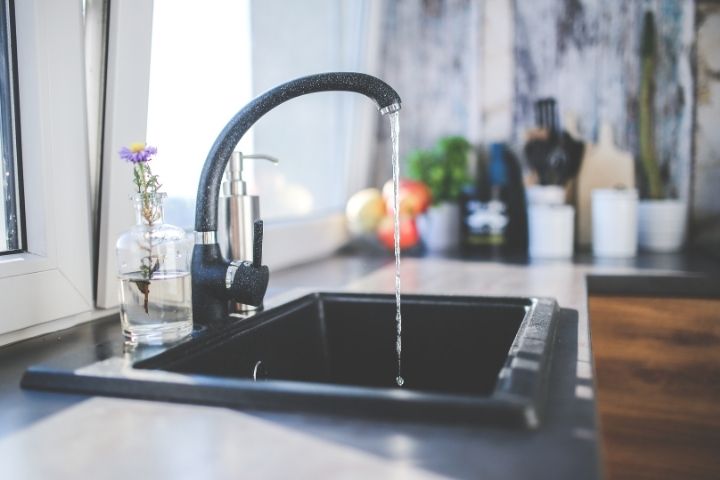
Pressure changes across several fixtures require broader investigation because the cause may involve shared supply components. Prompt assessment clarifies whether pressure-related wear could contribute to plumbing emergencies despite normal fixture operation.
One Slow Drain or Several? The Pattern Changes the Meaning
An isolated drain may slow gradually as debris narrows the nearby trap or branch connection. When flow improves briefly and slows again, the obstruction may still occupy part of the line. Gurgling or water rising in another fixture suggests the restriction has reached a connected drainage path.
Shorter intervals between slowdowns suggest that the restriction is becoming more disruptive with ordinary use. However, sewage entering a fixture or spreading across a floor already requires immediate professional attention. Timely investigation can clarify whether stubborn drain clogs may trigger plumbing emergencies within a shared drainage line.
Water Heater Changes Can Precede Plumbing Emergencies
Temperature swings, longer recovery times, or reduced hot-water volume can reveal changing conditions inside your water heater. Sediment near the heating surface may produce rumbling or popping sounds inside a storage tank. Corroded fittings or water beneath the unit deserve prompt attention, especially when moisture returns after cleanup.
Symptoms that appear together carry more weight than one brief temperature or recovery fluctuation that never returns. Inspection findings show whether maintenance, component repair, or replacement may reduce the risk of plumbing emergencies.
Gas odors, active tank leakage, or signs of overheating require faster action than ordinary performance changes. If you suspect a gas leak, leave immediately, then call 9-1-1 and your gas utility once safely outside to turn off the gas. You can call us afterwards to assess a repair at (530) 894-1800.
Plumbing Emergencies Become Harder to Contain When Shutoffs Fail
Every extra minute of uncontrolled flow increases the affected area after a burst pipe releases water. A weakened fixture valve may leave the main shutoff as your only reliable way to stop that spread.
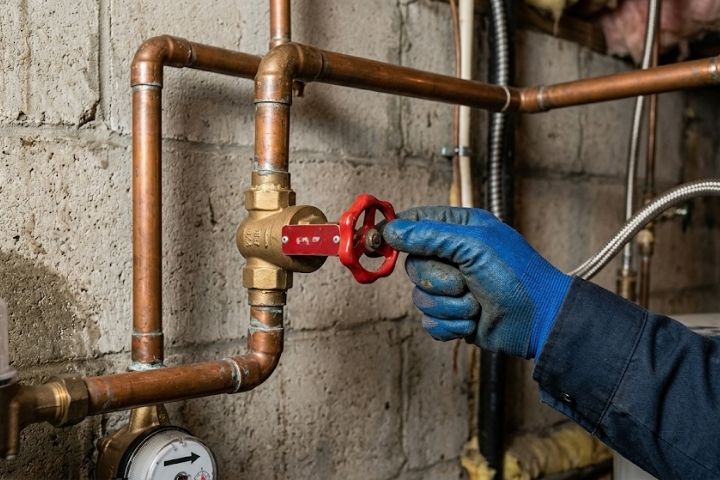
Knowing where the main valve sits helps you respond when water moves beyond the failed connection. During plumbing emergencies, delayed shutoff gives water more time to reach floors, walls, and belongings.
Have Accurate Plumbing Trace the Warning Signs
Minor leaks, pressure changes, slow drains, water heater symptoms, and weakened shutoffs rarely carry the same urgency. Your technician weighs symptom frequency, location, and progression before deciding which concern deserves attention first. Symptom patterns separate ordinary wear from conditions that could trigger plumbing emergencies inside your home.
The team sorts each finding by urgency, including observation, near-term service, or immediate professional attention. You can act on the greatest risk while monitoring lower-priority conditions for meaningful changes. When warning signs return or spread across fixtures, contact Accurate Plumbing before the problem becomes more disruptive.

Insights That Flow From Experience.
Explore helpful tips, client stories, and expert advice from homeowners who trust Accurate Plumbing to get the job done right every time.
Common Issues Caught Before They Become Emergencies
Plumbing emergencies often start days or weeks before water reaches the floor or sewage backs into a fixture. Earlier clues can include pressure changes, recurring moisture, slow drains, corrosion, or unreliable hot water. Connecting those patterns helps you respond before a developing problem turns into an urgent household disruption.
Early attention does not require treating every drip, odor, or unusual sound like an immediate crisis. Instead, a technician considers where the symptom appears, how often it returns, and which fixtures react together. Careful evaluation separates minor wear from conditions that could interrupt water service or damage your Northern California home.
From Minor Symptoms to Plumbing Emergencies
Common issues include minor leaks, weakened supply connections, unstable pressure, restricted drains, and water heater changes. Stiff shutoffs, corrosion, recurring odors, or symptoms across several fixtures often show whether the problem is progressing. A technician recognizes those conditions early and explains which ones could develop into plumbing emergencies.
The Leak You See May Not Be the Only Damage
Visible drips rarely show how long water has affected the cabinet, wall cavity, or nearby flooring. Moisture sometimes travels along a pipe or framing member before appearing.
Discoloration, mineral deposits, or musty odors can reveal a hidden water leak and nearby material damage. Even a dry surface warrants attention when nearby corrosion suggests repeated moisture rather than one accidental spill.
Worn seals, loose fittings, and weakened supply connections may become sources of plumbing emergencies as deterioration progresses. Your technician should also explain whether another professional needs to assess surrounding materials after the plumbing repair.
When Pressure Changes Raise the Risk of Plumbing Emergencies
Water pressure should remain within a suitable range for your fixtures, appliances, valves, and supply connections. Sudden pressure loss may point toward leakage, mineral buildup, a partially closed valve, or a failing pressure regulator. Excessive water pressure can strain flexible connectors, fixture seals, and appliance components throughout your home.
Pressure changes across several fixtures require broader investigation because the cause may involve shared supply components. Prompt assessment clarifies whether pressure-related wear could contribute to plumbing emergencies despite normal fixture operation.
One Slow Drain or Several? The Pattern Changes the Meaning
An isolated drain may slow gradually as debris narrows the nearby trap or branch connection. When flow improves briefly and slows again, the obstruction may still occupy part of the line. Gurgling or water rising in another fixture suggests the restriction has reached a connected drainage path.
Shorter intervals between slowdowns suggest that the restriction is becoming more disruptive with ordinary use. However, sewage entering a fixture or spreading across a floor already requires immediate professional attention. Timely investigation can clarify whether stubborn drain clogs may trigger plumbing emergencies within a shared drainage line.
Water Heater Changes Can Precede Plumbing Emergencies
Temperature swings, longer recovery times, or reduced hot-water volume can reveal changing conditions inside your water heater. Sediment near the heating surface may produce rumbling or popping sounds inside a storage tank. Corroded fittings or water beneath the unit deserve prompt attention, especially when moisture returns after cleanup.
Symptoms that appear together carry more weight than one brief temperature or recovery fluctuation that never returns. Inspection findings show whether maintenance, component repair, or replacement may reduce the risk of plumbing emergencies.
Gas odors, active tank leakage, or signs of overheating require faster action than ordinary performance changes. If you suspect a gas leak, leave immediately, then call 9-1-1 and your gas utility once safely outside to turn off the gas. You can call us afterwards to assess a repair at (530) 894-1800.
Plumbing Emergencies Become Harder to Contain When Shutoffs Fail
Every extra minute of uncontrolled flow increases the affected area after a burst pipe releases water. A weakened fixture valve may leave the main shutoff as your only reliable way to stop that spread.
Knowing where the main valve sits helps you respond when water moves beyond the failed connection. During plumbing emergencies, delayed shutoff gives water more time to reach floors, walls, and belongings.
Have Accurate Plumbing Trace the Warning Signs
Minor leaks, pressure changes, slow drains, water heater symptoms, and weakened shutoffs rarely carry the same urgency. Your technician weighs symptom frequency, location, and progression before deciding which concern deserves attention first. Symptom patterns separate ordinary wear from conditions that could trigger plumbing emergencies inside your home.
The team sorts each finding by urgency, including observation, near-term service, or immediate professional attention. You can act on the greatest risk while monitoring lower-priority conditions for meaningful changes. When warning signs return or spread across fixtures, contact Accurate Plumbing before the problem becomes more disruptive.
Our Non-Negotiable Values
Kindness
Kindness and respect for all customers and team members
Reliability
Reliability and integrity in every action
Service Excellence
Service excellence — always seeking solutions, never excuses
Teamwork
Teamwork, positivity, and a growth mindset
Need Plumbing You Can Rely On?
We are ready to help.

HOURS OF OPERATION
Monday - Sunday 24-hours


Contact Information
CHICO BRANCH
Call: (530) 894-1800
REDING BRANCH
Call: (530) 227-1717
GRASS VALLEY BRANCH
Call: (530) 534-1100
© 2025 Plumbing Company. All rights reserved.