CHICO (530) 894-1800 | REDDING (530) 227-1717 | GRASS VALLEY (530) 534-1100
CHICO (530) 894-1800 | REDDING (530) 227-1717 | GRASS VALLEY (530) 534-1100
Serving Northern California with dependable plumbing since 2005.

How It Started
Accurate Plumbing was founded in 2005 by Gene Hubbard in Chico, California. After years of working for a local plumbing company, Gene saw an opportunity to serve the community better. He believed Chico deserved more options and higher standards when it came to plumbing services. So he built a company focused on doing things the right way.
From the beginning, the mission was simple. Make customers' lives easier by fixing their plumbing correctly the first time. No shortcuts. No inflated pricing. No unnecessary work.
Growing with Our Communities
Fire through new construction plumbing
Sacramento to the Oregon border, and
from Clearlake to Pollock Pines
Serving 17 Counties Across Northern California
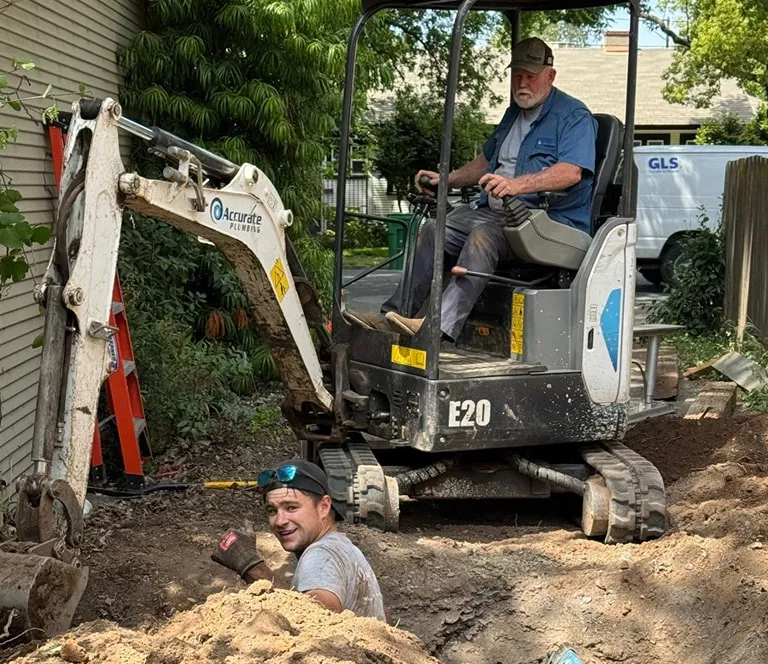
What began as a two-man operation has grown into a thriving plumbing company serving 17 counties across Northern California. In 2025, we nearly tripled our service area, extending from northern Sacramento to the Oregon border, and from Clearlake to Pollock Pines.
Still Family-Owned.
Now Second Generation Led.
After more than 20 years in business, Accurate Plumbing remains a family-owned small business. The company is now led by the second generation of the Hubbard family, with a continued focus on customer satisfaction, expanded service options, and training the next generation of plumbers.
We are proud to have customers who have trusted us for 20 years. Many new customers find us through word of mouth and our strong reputation on Google. Long-term relationships are earned through consistency.
Exceptional Plumbing, Every Time
We deliver reliable, high-quality plumbing solutions tailored to your needs. From emergency repairs to routine service, our experts are ready 24/7 to ensure your home runs smoothly.
Always On Call
Our team is on-call 24/7 to tackle any plumbing emergency—day or night.
Transparent Pricing
Upfront, honest estimates with no hidden fees—always know what you’ll pay.
Certified Expertise
Skilled, vetted technicians delivering flawless workmanship on every job.
Complimentary Assessment
Book a free, no-obligation site evaluation at your convenience.
Experience Unmatched Luxury with Our Premier Plumbing Services
Essential Plumbing Services
Our team handles everything from leak detection and drain cleaning to sewer & septic care, gas-line checks, well-pump maintenance, trenchless pipe replacement, and more—keeping your system running flawlessly.
Learn More
24/7 Emergency Services
When every minute counts, count on us. We arrive fast to tackle leaks, clogged drains, flooding, water-heater failures, blocked pipes, and other urgent issues—any time, day or night.
Learn More
Professional Installations
Upgrade with confidence: we expertly install toilets, sinks, showers, tankless and conventional heaters, water- and sewer-lines, filtration/softening systems, pumps, remodels, whole-house re-plumbs, and more for lasting performance.
Learn More
Every Home. Every Detail. Every Word Matters.
Hear directly from the homeowners who’ve experienced our elevated plumbing solutions.
Insights That Flow From Experience.
Explore helpful tips, client stories, and expert advice from homeowners who trust Accurate Plumbing to get the job done right every time.
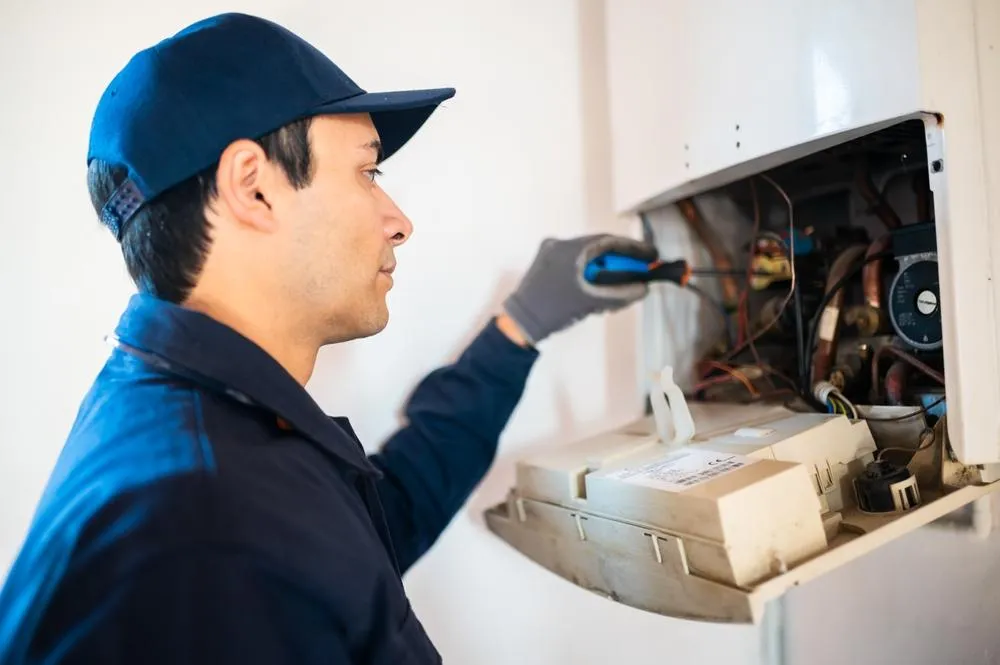
How to Know When It’s Time to Replace Your Water Heater
Hot water is a daily necessity, powering everything from showers and dishwashers to laundry and sanitation systems. While modern water heaters are built to last, no system works forever. Aging components, efficiency loss, and safety concerns are all reasons homeowners need to know when to take action. Recognizing the right time to replace your water heater can prevent emergency breakdowns and help you plan an efficient upgrade.
Most water heaters give warning signs before they completely fail. Ignoring these indicators can lead to water damage, rising utility costs, and unexpected repair bills. Homeowners should monitor performance and know when changes suggest something more than routine wear. With the right knowledge, you can act at the right time and avoid unnecessary disruptions.
Age Is a Major Factor in When to Replace Your Water Heater
A conventional tank-style water heater typically lasts 8 to 12 years when properly maintained. Once it reaches this range, the risk of leaks and inefficiency increases significantly. Corrosion inside the tank is one of the most common failure points, especially for units located in basements or garages. Older units often show signs of wear even if they’re still functioning.
As tanks age, their internal components break down from constant exposure to heat and minerals in the water. The anode rod, which prevents corrosion, becomes less effective over time. Once corrosion sets in, the tank itself weakens and becomes more vulnerable to ruptures. Annual inspections can reveal the condition of the rod and tank before a full failure occurs.
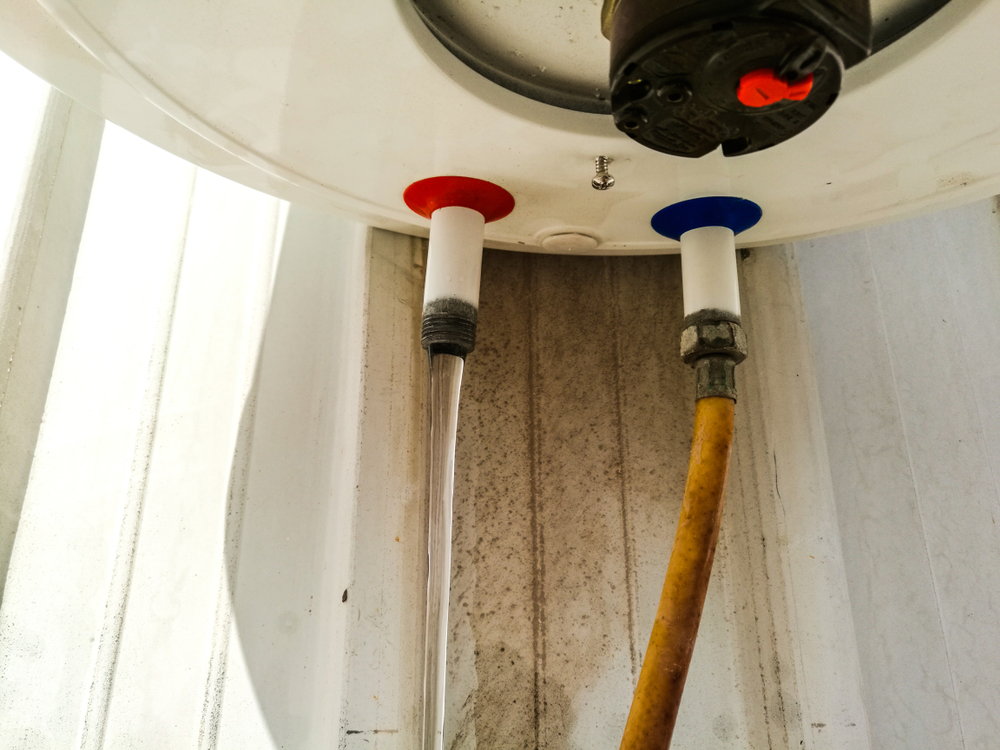
Digital models or tankless systems tend to last longer but are still affected by water quality, usage patterns, and regular maintenance. Once they approach 15 to 20 years, it’s wise to consider replacement. Even if they appear functional, their performance and energy efficiency usually decline with age. Manufacturers often set warranty periods to reflect realistic performance windows.
If your water heater is more than 10 years old and showing signs of inefficiency, it's likely time to replace it. Planning ahead gives you the opportunity to select a more efficient, better-sized unit. Upgrading early ensures reliable hot water and minimizes the risk of costly damage from leaks or pressure failures. Age is often the most reliable indicator of upcoming problems.
Warning Signs Your Water Heater May Be Failing
Discolored water is one of the first signs that your water heater may be breaking down internally. Rust-colored water typically signals corrosion inside the tank or pipe fittings. This can lead to sediment buildup, clogged valves, and eventually full-scale system failure. If flushing the tank doesn’t resolve the issue, it may be time to consider a replacement.
Unusual noises like popping, banging, or rumbling suggest sediment accumulation at the bottom of the tank. As water heats and cools, the sediment hardens and causes overheating within the system. This reduces heating efficiency and stresses the tank wall, increasing the risk of cracks. Persistent noise during operation indicates serious internal wear.
Water pooling around the base of your unit is a clear sign of trouble. Leaks often originate from the tank itself or from failed connections and pressure relief valves. Even small leaks can lead to mold growth, wall damage, or shorted electrical components. Immediate inspection is required, and in many cases, replacement is the most practical solution.
Inconsistent water temperature or a lack of hot water altogether signals a failing thermostat, heating element, or control board. If repairs do not restore performance, the system may be beyond its expected lifespan. Replacing the unit ensures safety and dependable service. Performance issues, when frequent or combined, typically point toward the need for a new heater.
Efficiency Concerns Are Key In Knowing When to Replace Your Water Heater
Water heaters lose efficiency over time due to scale buildup, sediment, and aging heating components. When your energy bills begin to rise without an increase in usage, your system may be underperforming. A less efficient water heater works harder to produce the same results, leading to more frequent cycling and increased wear. Replacing the unit can significantly reduce utility costs.
Modern high-efficiency water heaters come equipped with better insulation, programmable settings, and advanced temperature control. These features improve performance and reduce standby losses, especially for tank models. Tankless water heaters offer even greater efficiency for households with lower or variable demand. Choosing a model that matches your usage improves both comfort and operating cost.
Government efficiency standards have improved over the years, making newer units considerably more effective than older counterparts. Energy Factor (EF) and Uniform Energy Factor (UEF) ratings offer benchmarks for comparing models. Replacing an older, inefficient unit can deliver returns in energy savings over time. The right system lowers operating costs and supports eco-conscious home improvements.
If your unit is running longer, producing less hot water, or causing increased utility bills, efficiency loss may be the reason. Investing in a new system restores optimal performance. Efficiency should not be overlooked when deciding when to replace your water heater. A high-performing unit saves money while ensuring comfort and reliability.
Sizing and Lifestyle Changes Affect When to Replace Your Water Heater
Household needs change over time, and your water heater should reflect those adjustments. Growing families, added bathrooms, or new appliances increase the demand on your hot water system. If your current unit frequently runs out of hot water, it may be too small for your needs. Upgrading to a larger or tankless system ensures consistent supply and better performance.
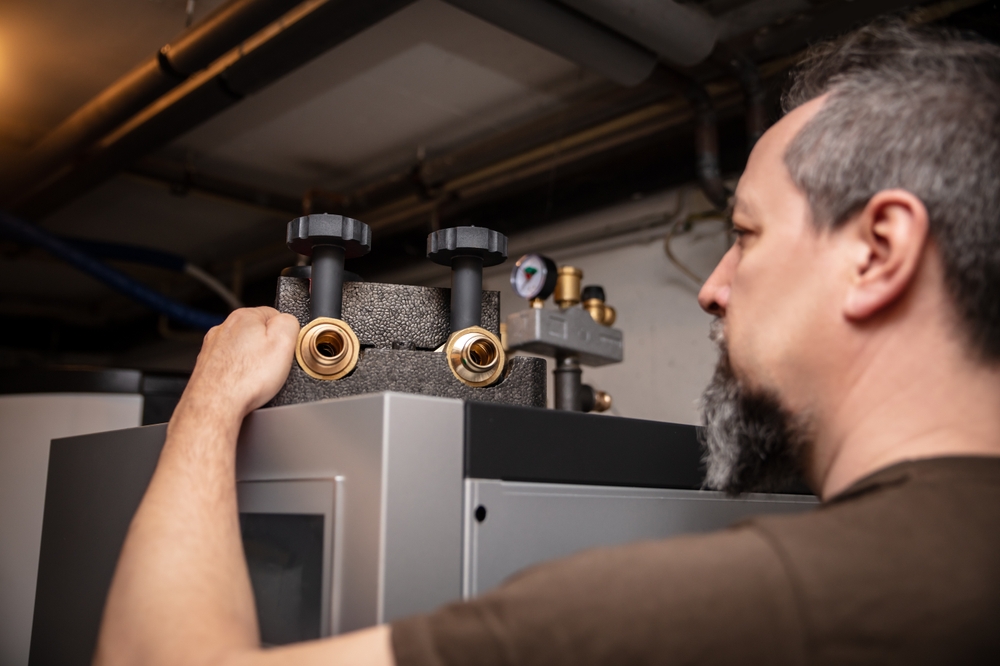
Downsizing or adding energy-efficient fixtures may also create opportunities to switch to a smaller or more efficient model. This helps reduce energy waste and align the system with actual usage. Tankless models can be customized to deliver hot water only when needed, preventing standby losses. Matching your water heater to your lifestyle is a smart long-term strategy.
Renovations or home upgrades may also involve relocating plumbing or adding outdoor systems that demand hot water. In these cases, the current water heater may no longer be suitable or ideally located. Replacing or upgrading during a renovation streamlines both access and performance. Integrating your water heater into the broader home system enhances efficiency.
Scheduling a professional consultation can help determine if your current system fits your living situation. Size, flow rate, and usage patterns are all evaluated in the process. A water heater that worked well a decade ago may no longer be adequate. Adjusting your system ensures it meets both current and future demand.
When to Replace Your Water Heater to Prevent Emergencies
Waiting until your water heater fails can leave you without hot water when you need it most. Emergency replacements are often rushed, leaving limited time to choose the best system for your home. Planning ahead allows you to schedule the replacement at a convenient time and avoid service disruptions. It also helps prevent water damage from sudden tank failure.
Units located in basements, attics, or near finished spaces pose a greater risk if they leak or rupture unexpectedly. A proactive approach minimizes property damage and related expenses. It also prevents loss of use for appliances like dishwashers or washing machines. Avoiding disruption is just as important as maintaining consistent performance.
Water heater failure can also impact insurance coverage if neglected issues lead to damage. Some policies may not cover damage from known issues that were left unrepaired. Replacing a worn unit before it fails avoids complications during claims. Protecting your home includes maintaining key systems before they reach a crisis point.
Knowing when to replace your water heater is part of being a proactive homeowner. Monitoring your system, understanding its age, and watching for changes in performance all support smarter decisions. Replacement done on your terms offers more control, fewer expenses, and better long-term results. Avoiding emergency scenarios is always a wise move.
Replace Your Water Heater Before Problems Begin
Knowing when to replace your water heater helps you stay ahead of breakdowns, water damage, and unexpected costs. Whether it's age, performance, or a change in lifestyle, timely replacement protects your comfort and investment. A professionally installed water heater provides reliability, safety, and efficiency you can count on. Contact Accurate Plumbing today to schedule an evaluation and explore the best replacement options for your home or business.

Insights That Flow From Experience.
Explore helpful tips, client stories, and expert advice from homeowners who trust Accurate Plumbing to get the job done right every time.
How to Know When It’s Time to Replace Your Water Heater
Hot water is a daily necessity, powering everything from showers and dishwashers to laundry and sanitation systems. While modern water heaters are built to last, no system works forever. Aging components, efficiency loss, and safety concerns are all reasons homeowners need to know when to take action. Recognizing the right time to replace your water heater can prevent emergency breakdowns and help you plan an efficient upgrade.
Most water heaters give warning signs before they completely fail. Ignoring these indicators can lead to water damage, rising utility costs, and unexpected repair bills. Homeowners should monitor performance and know when changes suggest something more than routine wear. With the right knowledge, you can act at the right time and avoid unnecessary disruptions.
Age Is a Major Factor in When to Replace Your Water Heater
A conventional tank-style water heater typically lasts 8 to 12 years when properly maintained. Once it reaches this range, the risk of leaks and inefficiency increases significantly. Corrosion inside the tank is one of the most common failure points, especially for units located in basements or garages. Older units often show signs of wear even if they’re still functioning.
As tanks age, their internal components break down from constant exposure to heat and minerals in the water. The anode rod, which prevents corrosion, becomes less effective over time. Once corrosion sets in, the tank itself weakens and becomes more vulnerable to ruptures. Annual inspections can reveal the condition of the rod and tank before a full failure occurs.
Digital models or tankless systems tend to last longer but are still affected by water quality, usage patterns, and regular maintenance. Once they approach 15 to 20 years, it’s wise to consider replacement. Even if they appear functional, their performance and energy efficiency usually decline with age. Manufacturers often set warranty periods to reflect realistic performance windows.
If your water heater is more than 10 years old and showing signs of inefficiency, it's likely time to replace it. Planning ahead gives you the opportunity to select a more efficient, better-sized unit. Upgrading early ensures reliable hot water and minimizes the risk of costly damage from leaks or pressure failures. Age is often the most reliable indicator of upcoming problems.
Warning Signs Your Water Heater May Be Failing
Discolored water is one of the first signs that your water heater may be breaking down internally. Rust-colored water typically signals corrosion inside the tank or pipe fittings. This can lead to sediment buildup, clogged valves, and eventually full-scale system failure. If flushing the tank doesn’t resolve the issue, it may be time to consider a replacement.
Unusual noises like popping, banging, or rumbling suggest sediment accumulation at the bottom of the tank. As water heats and cools, the sediment hardens and causes overheating within the system. This reduces heating efficiency and stresses the tank wall, increasing the risk of cracks. Persistent noise during operation indicates serious internal wear.
Water pooling around the base of your unit is a clear sign of trouble. Leaks often originate from the tank itself or from failed connections and pressure relief valves. Even small leaks can lead to mold growth, wall damage, or shorted electrical components. Immediate inspection is required, and in many cases, replacement is the most practical solution.
Inconsistent water temperature or a lack of hot water altogether signals a failing thermostat, heating element, or control board. If repairs do not restore performance, the system may be beyond its expected lifespan. Replacing the unit ensures safety and dependable service. Performance issues, when frequent or combined, typically point toward the need for a new heater.
Efficiency Concerns Are Key In Knowing When to Replace Your Water Heater
Water heaters lose efficiency over time due to scale buildup, sediment, and aging heating components. When your energy bills begin to rise without an increase in usage, your system may be underperforming. A less efficient water heater works harder to produce the same results, leading to more frequent cycling and increased wear. Replacing the unit can significantly reduce utility costs.
Modern high-efficiency water heaters come equipped with better insulation, programmable settings, and advanced temperature control. These features improve performance and reduce standby losses, especially for tank models. Tankless water heaters offer even greater efficiency for households with lower or variable demand. Choosing a model that matches your usage improves both comfort and operating cost.
Government efficiency standards have improved over the years, making newer units considerably more effective than older counterparts. Energy Factor (EF) and Uniform Energy Factor (UEF) ratings offer benchmarks for comparing models. Replacing an older, inefficient unit can deliver returns in energy savings over time. The right system lowers operating costs and supports eco-conscious home improvements.
If your unit is running longer, producing less hot water, or causing increased utility bills, efficiency loss may be the reason. Investing in a new system restores optimal performance. Efficiency should not be overlooked when deciding when to replace your water heater. A high-performing unit saves money while ensuring comfort and reliability.
Sizing and Lifestyle Changes Affect When to Replace Your Water Heater
Household needs change over time, and your water heater should reflect those adjustments. Growing families, added bathrooms, or new appliances increase the demand on your hot water system. If your current unit frequently runs out of hot water, it may be too small for your needs. Upgrading to a larger or tankless system ensures consistent supply and better performance.
Downsizing or adding energy-efficient fixtures may also create opportunities to switch to a smaller or more efficient model. This helps reduce energy waste and align the system with actual usage. Tankless models can be customized to deliver hot water only when needed, preventing standby losses. Matching your water heater to your lifestyle is a smart long-term strategy.
Renovations or home upgrades may also involve relocating plumbing or adding outdoor systems that demand hot water. In these cases, the current water heater may no longer be suitable or ideally located. Replacing or upgrading during a renovation streamlines both access and performance. Integrating your water heater into the broader home system enhances efficiency.
Scheduling a professional consultation can help determine if your current system fits your living situation. Size, flow rate, and usage patterns are all evaluated in the process. A water heater that worked well a decade ago may no longer be adequate. Adjusting your system ensures it meets both current and future demand.
When to Replace Your Water Heater to Prevent Emergencies
Waiting until your water heater fails can leave you without hot water when you need it most. Emergency replacements are often rushed, leaving limited time to choose the best system for your home. Planning ahead allows you to schedule the replacement at a convenient time and avoid service disruptions. It also helps prevent water damage from sudden tank failure.
Units located in basements, attics, or near finished spaces pose a greater risk if they leak or rupture unexpectedly. A proactive approach minimizes property damage and related expenses. It also prevents loss of use for appliances like dishwashers or washing machines. Avoiding disruption is just as important as maintaining consistent performance.
Water heater failure can also impact insurance coverage if neglected issues lead to damage. Some policies may not cover damage from known issues that were left unrepaired. Replacing a worn unit before it fails avoids complications during claims. Protecting your home includes maintaining key systems before they reach a crisis point.
Knowing when to replace your water heater is part of being a proactive homeowner. Monitoring your system, understanding its age, and watching for changes in performance all support smarter decisions. Replacement done on your terms offers more control, fewer expenses, and better long-term results. Avoiding emergency scenarios is always a wise move.
Replace Your Water Heater Before Problems Begin
Knowing when to replace your water heater helps you stay ahead of breakdowns, water damage, and unexpected costs. Whether it's age, performance, or a change in lifestyle, timely replacement protects your comfort and investment. A professionally installed water heater provides reliability, safety, and efficiency you can count on. Contact Accurate Plumbing today to schedule an evaluation and explore the best replacement options for your home or business.
Our Non-Negotiable Values
Kindness
Kindness and respect for all customers and team members
Reliability
Reliability and integrity in every action
Service Excellence
Service excellence — always seeking solutions, never excuses
Teamwork
Teamwork, positivity, and a growth mindset
Need Plumbing You Can Rely On?
We are ready to help.
HOURS OF OPERATION
Monday - Sunday 24-hours


Contact Information
CHICO BRANCH
Call: (530) 894-1800
REDING BRANCH
Call: (530) 227-1717
GRASS VALLEY BRANCH
Call: (530) 534-1100
© 2025 Plumbing Company. All rights reserved.