CHICO (530) 894-1800 | REDDING (530) 227-1717 | GRASS VALLEY (530) 534-1100

CHICO (530) 894-1800 | REDDING (530) 227-1717 | GRASS VALLEY (530) 534-1100
We blend technical mastery with quiet professionalism. Delivering seamless solutions with integrity, discretion, and respect for your space.

"When you want it done right"
We blend technical mastery with quiet professionalism—delivering seamless solutions with integrity, discretion, and respect for your space.
Reliable Plumbing Solutions Designed for Your Home
Our high-end plumbing services combine exceptional craftsmanship with innovative technology to ensure your home runs smoothly. Trust us to elevate your plumbing experience with personalized solutions that reflect your unique style and needs.
A refined home deserves flawless function.
Hidden leaks, aging systems, and rising water costs silently erode the comfort and confidence of even the most well-kept homes. If your plumbing isn’t keeping pace with your lifestyle, it may be time for a more sophisticated solution.
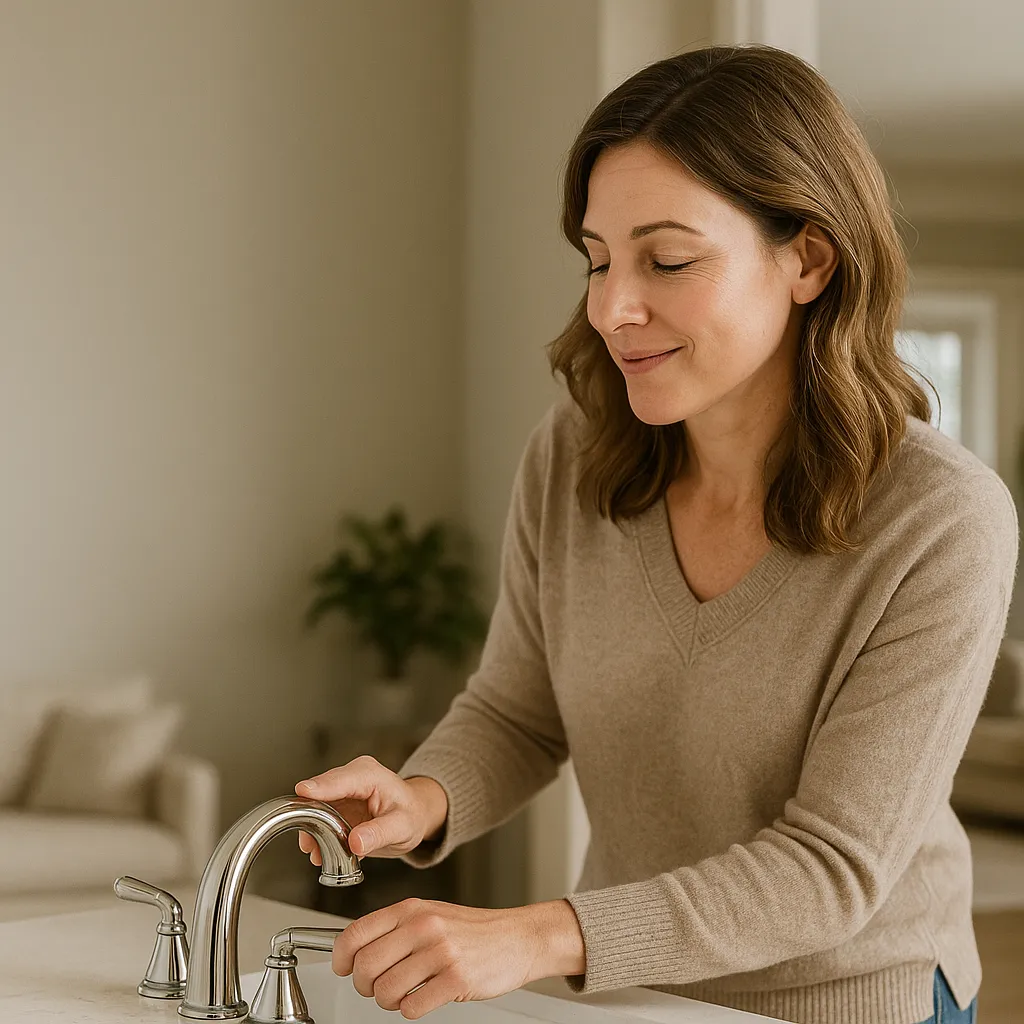
Exceptional Plumbing, Every Time
We deliver reliable, high-quality plumbing solutions tailored to your needs. From emergency repairs to routine service, our experts are ready 24/7 to ensure your home runs smoothly.
Always On Call
Our team is on-call 24/7 to tackle any plumbing emergency—day or night.
Transparent Pricing
Upfront, honest estimates with no hidden fees—always know what you’ll pay.
Certified Expertise
Skilled, vetted technicians delivering flawless workmanship on every job.
Complimentary Assessment
Book a free, no-obligation site evaluation at your convenience.
Experience Unmatched Luxury with Our Premier Plumbing Services
Essential Plumbing Services
Our team handles everything from leak detection and drain cleaning to sewer & septic care, gas-line checks, well-pump maintenance, trenchless pipe replacement, and more—keeping your system running flawlessly.
Learn More
24/7 Emergency Services
When every minute counts, count on us. We arrive fast to tackle leaks, clogged drains, flooding, water-heater failures, blocked pipes, and other urgent issues—any time, day or night.
Learn More
Professional Installations
Upgrade with confidence: we expertly install toilets, sinks, showers, tankless and conventional heaters, water- and sewer-lines, filtration/softening systems, pumps, remodels, whole-house re-plumbs, and more for lasting performance.
Learn More
Experience Unmatched Luxury with Our Premier Plumbing Services
Essential Plumbing Services
Our team handles everything from leak detection and drain cleaning to sewer & septic care, gas-line checks, well-pump maintenance, trenchless pipe replacement, and more—keeping your system running flawlessly.
24/7 Emergency Services
When every minute counts, count on us. We arrive fast to tackle leaks, clogged drains, flooding, water-heater failures, blocked pipes, and other urgent issues—any time, day or night.
Professional Installations
Upgrade with confidence: we expertly install toilets, sinks, showers, tankless and conventional heaters, water- and sewer-lines, filtration/softening systems, pumps, remodels, whole-house re-plumbs, and more for lasting performance.
Every Home. Every Detail. Every Word Matters.
Hear directly from the homeowners who’ve experienced our elevated plumbing solutions.
Insights That Flow From Experience.
Explore helpful tips, client stories, and expert advice from homeowners who trust Accurate Plumbing to get the job done right every time.

What to Do If You Smell Gas Near Your Water Heater
Smelling gas near your water heater is a serious concern that demands immediate and informed action. Even a small leak can lead to dangerous conditions, including fire, explosion, or carbon monoxide exposure. Natural gas is highly combustible and is intentionally treated with a strong sulfur-like odor to help homeowners detect it. If you smell gas, understanding the proper steps can help prevent serious harm to people and property.
Not every gas smell indicates a full-scale emergency, but it should never be ignored or delayed. Acting quickly and following expert advice helps reduce risk and protect your home. The following guide offers practical, expert-backed actions you can take when you suspect a gas leak near your water heater. These tips are designed to keep you safe while minimizing long-term damage or repair costs.
1. Evacuate the Area Immediately if You Smell Gas
The first and most important step is to leave the area as soon as you smell gas. Even if the odor is faint, it may signal a leak from the water heater or nearby piping. Do not try to locate the source of the leak yourself if the smell is strong or widespread. Prioritize getting everyone in the home or building outside safely and calmly.
Avoid creating any sparks or flames while evacuating. Do not turn on or off lights, use phones, or operate garage doors inside the building. Natural gas can ignite with even the smallest electrical spark, making everyday devices dangerous in these situations. Open doors and windows only if it can be done quickly and without delay to your exit.
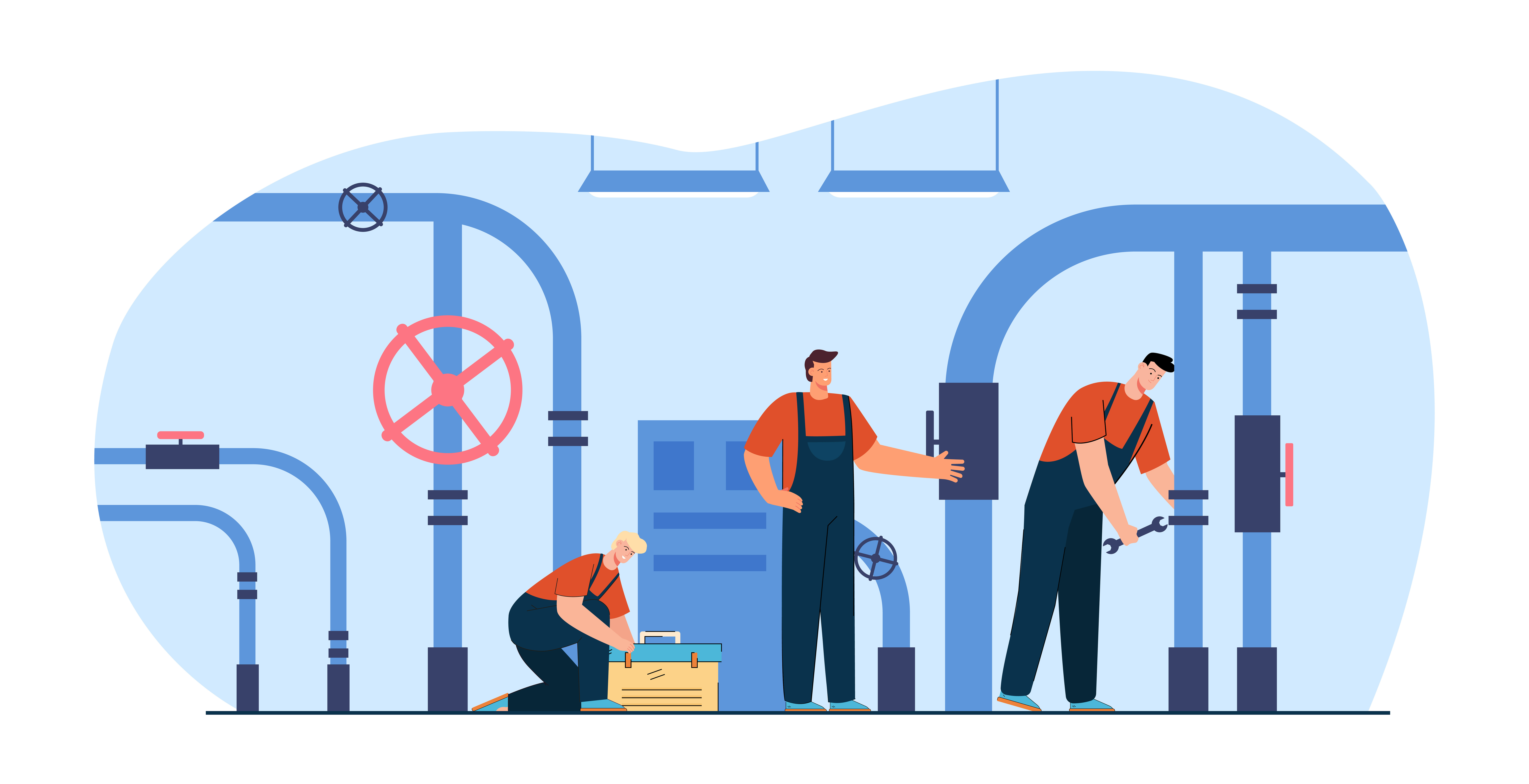
If possible, leave exterior doors open as you leave to allow gas to vent naturally. Do not attempt to shut off the gas supply unless the shutoff valve is outside and clearly accessible. Your safety should always take precedence over protecting property or equipment. Once you're outside, move to a safe distance and call emergency services.
The fire department or utility provider will handle the emergency shutdown and inspection. Emergency professionals are equipped to detect gas levels and make the area safe for reentry. Trust their instructions and do not reenter the home until they confirm it’s safe. Prompt evacuation is the most effective way to prevent injury or serious property loss.
2. Shut Off the Gas Supply if You Can Do So Safely
If the gas smell is mild and you can reach the shutoff valve without going back inside, turn off the gas. The main shutoff is typically located near your gas meter or where the supply line enters your home. Use a wrench to turn the valve a quarter turn until it is perpendicular to the pipe. This stops the flow of gas and can prevent the leak from worsening.
If your water heater has a dedicated shutoff valve, turn it off there only if it is safe and accessible. Do not crawl or reach into tight spaces to access valves while gas is present. Shutoff actions should be performed only if the odor is localized and mild. If in doubt, skip this step and call for help.
Keep in mind that some valves may be corroded, stuck, or difficult to operate. Forcing the valve or damaging it can cause additional leaks. If you are unfamiliar with gas shutoff procedures, it’s better to wait for professionals. Every action should be weighed against the risk of exposure or injury.
After the gas is turned off, ventilate the area by opening nearby windows or doors from the outside if possible. Do not run fans or appliances to speed up ventilation. Allow natural airflow to remove any lingering gas safely. Shutting off gas flow quickly and carefully reduces risk and helps your technician pinpoint the issue faster.
3. Avoid Relighting the Water Heater or Touching Any Appliances
Never attempt to relight the water heater’s pilot light or reset the unit until the gas issue has been resolved by a licensed technician. Relighting a gas appliance while gas is present can cause an explosion. Even if the leak appears small, residual gas in the air creates a highly volatile environment. Patience and professional clearance are essential.
Do not unplug or operate any electrical devices near the water heater while gas is suspected. Devices like dryers, thermostats, or light switches can produce static or spark activity. Wait until the area has been deemed safe before restoring any utilities. The goal is to avoid introducing any ignition source during this high-risk period.
Water heaters often have built-in ignition systems that can activate if the thermostat calls for heat. To prevent this, disconnect power at the breaker panel if it can be done safely from another room. Avoid standing over the unit or manipulating its controls during a gas alert. Wait until a qualified technician verifies that all systems are clear.
Even small gas leaks can linger in enclosed spaces, especially around the floor where gas tends to settle. A professional gas detector or sensor is the safest way to assess conditions. Without proper clearance, reactivating the water heater can trigger serious hazards. Protect your safety by leaving all systems untouched until expert review.
4. Schedule a Water Heater Inspection After Any Suspected Leak
Once the area has been cleared and made safe, the water heater should be thoroughly inspected for damage, wear, or improper installation. Leaks often occur at connections, valves, or aging components like thermocouples or pilot assemblies. An experienced plumber can check all fittings, joints, and gas controls for signs of corrosion or weakness. Identifying the root cause ensures safe operation moving forward.
Inspection should include both gas line integrity and appliance condition. A technician will test pressure levels, verify ventilation, and assess flame stability during startup. For tank-type heaters, gas control valves and pilot safety devices should be evaluated. For tankless units, internal regulators and exhaust systems also require inspection.
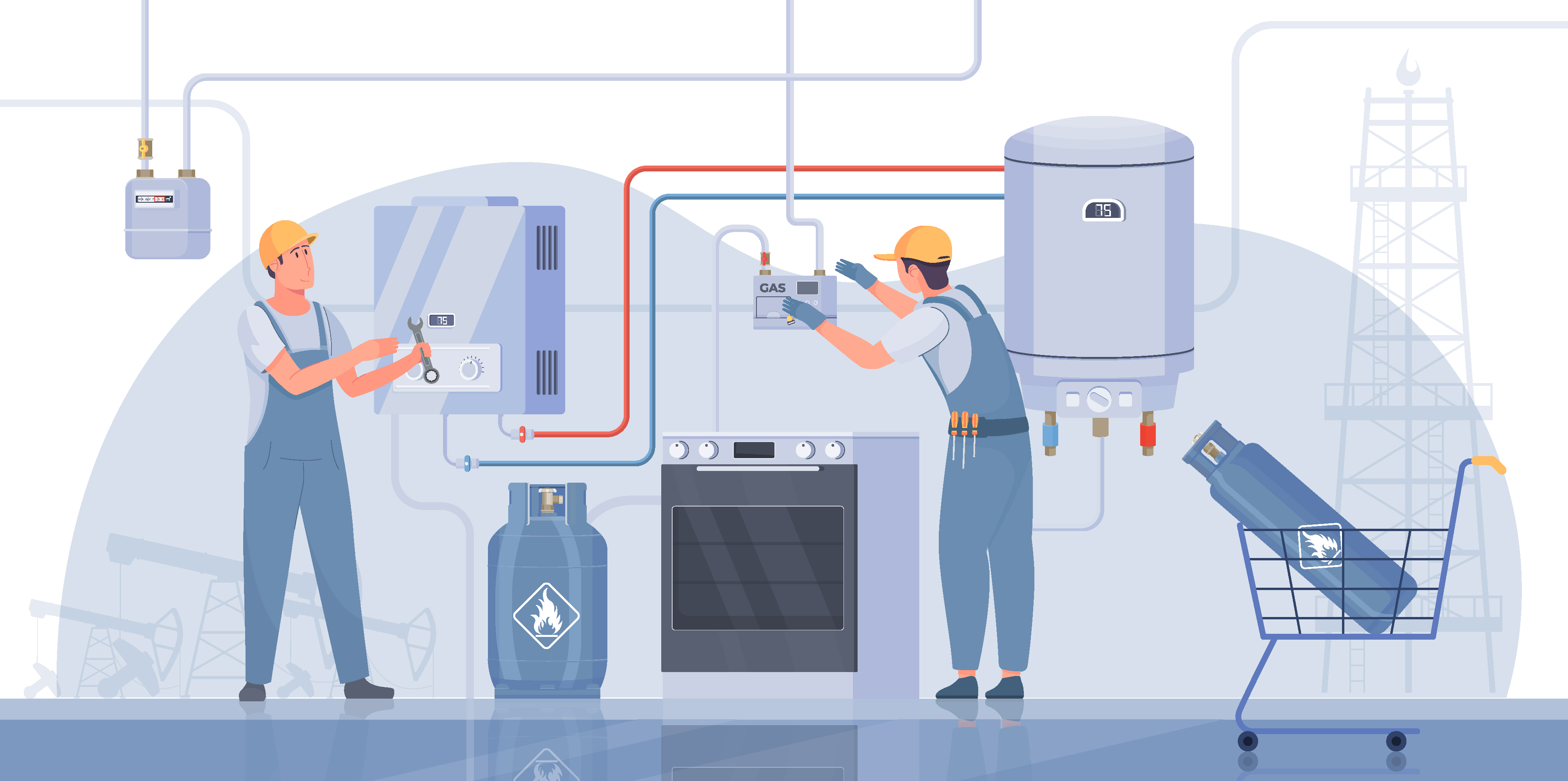
In some cases, leaks may result from environmental issues like earthquakes, high humidity, or pest damage. These conditions can loosen connections or weaken materials over time. During inspection, professionals can make recommendations to reduce future risk. This may include upgrading valves, sealing exterior gaps, or replacing compromised components.
After any suspected gas leak, maintenance records should be updated to reflect the incident and any work performed. Keeping detailed service history helps monitor system safety over time. If a replacement is recommended, it should be scheduled promptly to avoid further exposure or downtime. Inspection is the bridge between emergency response and safe system recovery.
5. Call a Licensed Plumbing Professional for Gas Leak Repairs
Gas leaks are not a DIY project. Repairs should only be performed by licensed, certified plumbing professionals who specialize in gas systems and water heaters. Even minor leaks require technical skill, specialized tools, and knowledge of current safety codes. Working with trained experts ensures both compliance and peace of mind.
Professional plumbers will test the system using pressure gauges and leak detection solutions. They will locate the precise origin of the leak and make permanent repairs. In many cases, this involves replacing old valves, resealing threaded joints, or adjusting regulator settings. A comprehensive evaluation ensures the entire system meets modern safety standards.
Licensed technicians also verify ventilation pathways and check for carbon monoxide risk. Improper exhaust systems can lead to dangerous gas accumulation, even without a major leak. A full inspection confirms all systems—gas, water, and combustion—are working correctly. Preventative upgrades may also be recommended based on system age or design.
Calling a professional is not just about solving the current problem. It’s about securing your home and protecting your health. Trust experienced plumbing experts to restore your water heater safely and efficiently. In any gas-related situation, professional support is the most responsible course of action.
Trust Professionals to Handle Water Heater Gas Concerns Safely
Smelling gas near your water heater should never be ignored. Fast evacuation, careful shutoff, and professional service are critical to protecting your home and family. Once the area is safe, expert inspection and repairs restore system function and long-term peace of mind. Contact Accurate Plumbing today for licensed gas line and water heater service that keeps safety your top priority.

Insights That Flow From Experience.
Explore helpful tips, client stories, and expert advice from homeowners who trust Accurate Plumbing to get the job done right every time.
What to Do If You Smell Gas Near Your Water Heater
Smelling gas near your water heater is a serious concern that demands immediate and informed action. Even a small leak can lead to dangerous conditions, including fire, explosion, or carbon monoxide exposure. Natural gas is highly combustible and is intentionally treated with a strong sulfur-like odor to help homeowners detect it. If you smell gas, understanding the proper steps can help prevent serious harm to people and property.
Not every gas smell indicates a full-scale emergency, but it should never be ignored or delayed. Acting quickly and following expert advice helps reduce risk and protect your home. The following guide offers practical, expert-backed actions you can take when you suspect a gas leak near your water heater. These tips are designed to keep you safe while minimizing long-term damage or repair costs.
1. Evacuate the Area Immediately if You Smell Gas
The first and most important step is to leave the area as soon as you smell gas. Even if the odor is faint, it may signal a leak from the water heater or nearby piping. Do not try to locate the source of the leak yourself if the smell is strong or widespread. Prioritize getting everyone in the home or building outside safely and calmly.
Avoid creating any sparks or flames while evacuating. Do not turn on or off lights, use phones, or operate garage doors inside the building. Natural gas can ignite with even the smallest electrical spark, making everyday devices dangerous in these situations. Open doors and windows only if it can be done quickly and without delay to your exit.
If possible, leave exterior doors open as you leave to allow gas to vent naturally. Do not attempt to shut off the gas supply unless the shutoff valve is outside and clearly accessible. Your safety should always take precedence over protecting property or equipment. Once you're outside, move to a safe distance and call emergency services.
The fire department or utility provider will handle the emergency shutdown and inspection. Emergency professionals are equipped to detect gas levels and make the area safe for reentry. Trust their instructions and do not reenter the home until they confirm it’s safe. Prompt evacuation is the most effective way to prevent injury or serious property loss.
2. Shut Off the Gas Supply if You Can Do So Safely
If the gas smell is mild and you can reach the shutoff valve without going back inside, turn off the gas. The main shutoff is typically located near your gas meter or where the supply line enters your home. Use a wrench to turn the valve a quarter turn until it is perpendicular to the pipe. This stops the flow of gas and can prevent the leak from worsening.
If your water heater has a dedicated shutoff valve, turn it off there only if it is safe and accessible. Do not crawl or reach into tight spaces to access valves while gas is present. Shutoff actions should be performed only if the odor is localized and mild. If in doubt, skip this step and call for help.
Keep in mind that some valves may be corroded, stuck, or difficult to operate. Forcing the valve or damaging it can cause additional leaks. If you are unfamiliar with gas shutoff procedures, it’s better to wait for professionals. Every action should be weighed against the risk of exposure or injury.
After the gas is turned off, ventilate the area by opening nearby windows or doors from the outside if possible. Do not run fans or appliances to speed up ventilation. Allow natural airflow to remove any lingering gas safely. Shutting off gas flow quickly and carefully reduces risk and helps your technician pinpoint the issue faster.
3. Avoid Relighting the Water Heater or Touching Any Appliances
Never attempt to relight the water heater’s pilot light or reset the unit until the gas issue has been resolved by a licensed technician. Relighting a gas appliance while gas is present can cause an explosion. Even if the leak appears small, residual gas in the air creates a highly volatile environment. Patience and professional clearance are essential.
Do not unplug or operate any electrical devices near the water heater while gas is suspected. Devices like dryers, thermostats, or light switches can produce static or spark activity. Wait until the area has been deemed safe before restoring any utilities. The goal is to avoid introducing any ignition source during this high-risk period.
Water heaters often have built-in ignition systems that can activate if the thermostat calls for heat. To prevent this, disconnect power at the breaker panel if it can be done safely from another room. Avoid standing over the unit or manipulating its controls during a gas alert. Wait until a qualified technician verifies that all systems are clear.
Even small gas leaks can linger in enclosed spaces, especially around the floor where gas tends to settle. A professional gas detector or sensor is the safest way to assess conditions. Without proper clearance, reactivating the water heater can trigger serious hazards. Protect your safety by leaving all systems untouched until expert review.
4. Schedule a Water Heater Inspection After Any Suspected Leak
Once the area has been cleared and made safe, the water heater should be thoroughly inspected for damage, wear, or improper installation. Leaks often occur at connections, valves, or aging components like thermocouples or pilot assemblies. An experienced plumber can check all fittings, joints, and gas controls for signs of corrosion or weakness. Identifying the root cause ensures safe operation moving forward.
Inspection should include both gas line integrity and appliance condition. A technician will test pressure levels, verify ventilation, and assess flame stability during startup. For tank-type heaters, gas control valves and pilot safety devices should be evaluated. For tankless units, internal regulators and exhaust systems also require inspection.
In some cases, leaks may result from environmental issues like earthquakes, high humidity, or pest damage. These conditions can loosen connections or weaken materials over time. During inspection, professionals can make recommendations to reduce future risk. This may include upgrading valves, sealing exterior gaps, or replacing compromised components.
After any suspected gas leak, maintenance records should be updated to reflect the incident and any work performed. Keeping detailed service history helps monitor system safety over time. If a replacement is recommended, it should be scheduled promptly to avoid further exposure or downtime. Inspection is the bridge between emergency response and safe system recovery.
5. Call a Licensed Plumbing Professional for Gas Leak Repairs
Gas leaks are not a DIY project. Repairs should only be performed by licensed, certified plumbing professionals who specialize in gas systems and water heaters. Even minor leaks require technical skill, specialized tools, and knowledge of current safety codes. Working with trained experts ensures both compliance and peace of mind.
Professional plumbers will test the system using pressure gauges and leak detection solutions. They will locate the precise origin of the leak and make permanent repairs. In many cases, this involves replacing old valves, resealing threaded joints, or adjusting regulator settings. A comprehensive evaluation ensures the entire system meets modern safety standards.
Licensed technicians also verify ventilation pathways and check for carbon monoxide risk. Improper exhaust systems can lead to dangerous gas accumulation, even without a major leak. A full inspection confirms all systems—gas, water, and combustion—are working correctly. Preventative upgrades may also be recommended based on system age or design.
Calling a professional is not just about solving the current problem. It’s about securing your home and protecting your health. Trust experienced plumbing experts to restore your water heater safely and efficiently. In any gas-related situation, professional support is the most responsible course of action.
Trust Professionals to Handle Water Heater Gas Concerns Safely
Smelling gas near your water heater should never be ignored. Fast evacuation, careful shutoff, and professional service are critical to protecting your home and family. Once the area is safe, expert inspection and repairs restore system function and long-term peace of mind. Contact Accurate Plumbing today for licensed gas line and water heater service that keeps safety your top priority.
CURRENT DEALS
Real savings. No gimmicks. Just solid service.
We’ve got a few exclusive offers lined up to keep your plumbing (and your wallet) in great shape. Whether it’s a routine visit, a video inspection, or an upgrade to a tankless water heater. JUST MENTION THE DEAL WHEN YOU BOOK, AND WE'LL LOCK IT IN.


Refined Plumbing for Modern Living
Custom craftsmanship meets seamless performance. Let’s design a system that fits your space—and your standards.
Refined Plumbing for Modern Living
Custom craftsmanship meets seamless performance. Let’s design a system that fits your space—and your standards.
HOURS OF OPERATION
Monday - Sunday 24-hours


Contact Information
CHICO BRANCH
Call: (530) 894-1800
REDING BRANCH
Call: (530) 227-1717
GRASS VALLEY BRANCH
Call: (530) 534-1100
© 2025 Plumbing Company. All rights reserved.