CHICO (530) 894-1800 | REDDING (530) 227-1717 | GRASS VALLEY (530) 534-1100
CHICO (530) 894-1800 | REDDING (530) 227-1717 | GRASS VALLEY (530) 534-1100
We blend technical mastery with quiet professionalism. Delivering seamless solutions with integrity, discretion, and respect for your space.

"When you want it done right"
We blend technical mastery with quiet professionalism—delivering seamless solutions with integrity, discretion, and respect for your space.
Reliable Plumbing Solutions Designed for Your Home
Our high-end plumbing services combine exceptional craftsmanship with innovative technology to ensure your home runs smoothly. Trust us to elevate your plumbing experience with personalized solutions that reflect your unique style and needs.
A refined home deserves flawless function.
Hidden leaks, aging systems, and rising water costs silently erode the comfort and confidence of even the most well-kept homes. If your plumbing isn’t keeping pace with your lifestyle, it may be time for a more sophisticated solution.
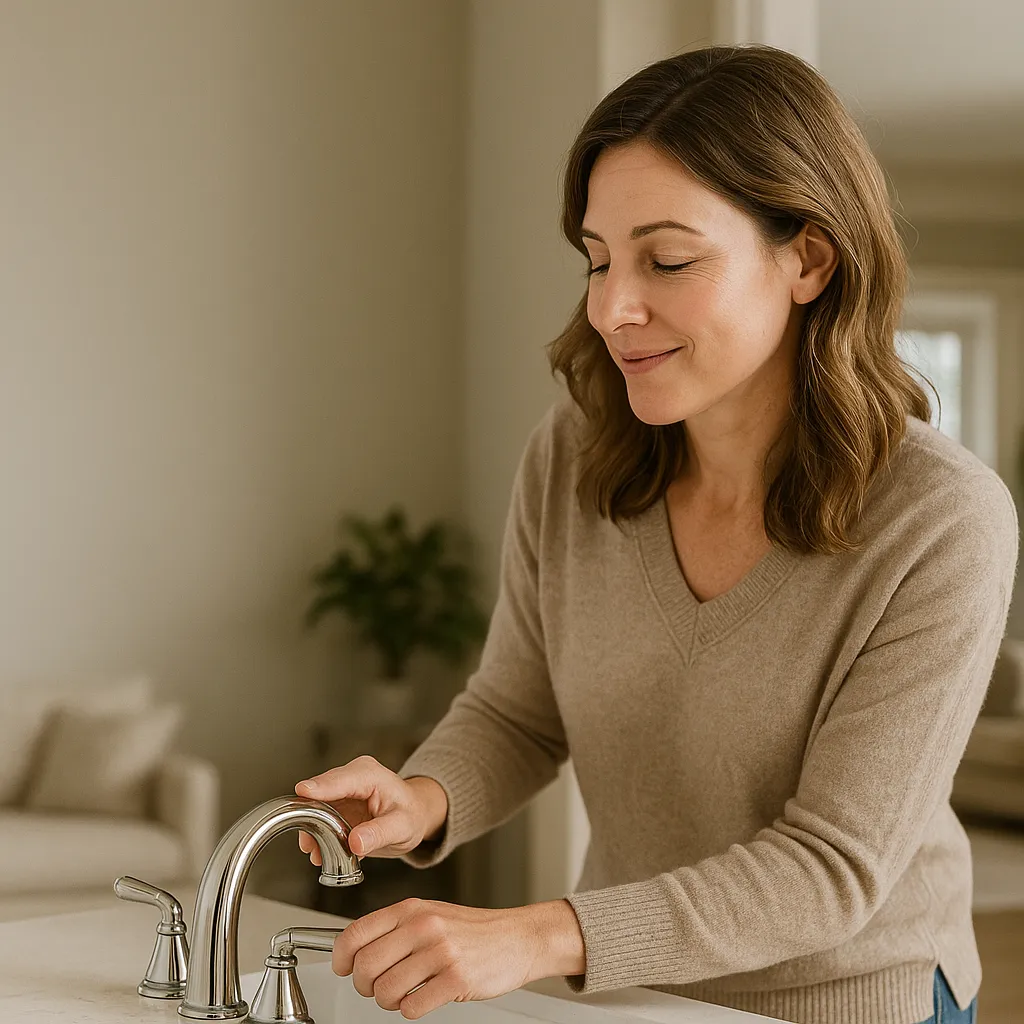
Exceptional Plumbing, Every Time
We deliver reliable, high-quality plumbing solutions tailored to your needs. From emergency repairs to routine service, our experts are ready 24/7 to ensure your home runs smoothly.
Always On Call
Our team is on-call 24/7 to tackle any plumbing emergency—day or night.
Transparent Pricing
Upfront, honest estimates with no hidden fees—always know what you’ll pay.
Certified Expertise
Skilled, vetted technicians delivering flawless workmanship on every job.
Complimentary Assessment
Book a free, no-obligation site evaluation at your convenience.
Experience Unmatched Luxury with Our Premier Plumbing Services
Essential Plumbing Services
Our team handles everything from leak detection and drain cleaning to sewer & septic care, gas-line checks, well-pump maintenance, trenchless pipe replacement, and more—keeping your system running flawlessly.
Learn More
24/7 Emergency Services
When every minute counts, count on us. We arrive fast to tackle leaks, clogged drains, flooding, water-heater failures, blocked pipes, and other urgent issues—any time, day or night.
Learn More
Professional Installations
Upgrade with confidence: we expertly install toilets, sinks, showers, tankless and conventional heaters, water- and sewer-lines, filtration/softening systems, pumps, remodels, whole-house re-plumbs, and more for lasting performance.
Learn More
Experience Unmatched Luxury with Our Premier Plumbing Services
Essential Plumbing Services
Our team handles everything from leak detection and drain cleaning to sewer & septic care, gas-line checks, well-pump maintenance, trenchless pipe replacement, and more—keeping your system running flawlessly.
24/7 Emergency Services
When every minute counts, count on us. We arrive fast to tackle leaks, clogged drains, flooding, water-heater failures, blocked pipes, and other urgent issues—any time, day or night.
Professional Installations
Upgrade with confidence: we expertly install toilets, sinks, showers, tankless and conventional heaters, water- and sewer-lines, filtration/softening systems, pumps, remodels, whole-house re-plumbs, and more for lasting performance.
Every Home. Every Detail. Every Word Matters.
Hear directly from the homeowners who’ve experienced our elevated plumbing solutions.
Insights That Flow From Experience.
Explore helpful tips, client stories, and expert advice from homeowners who trust Accurate Plumbing to get the job done right every time.

Water Heater Maintenance Tips to Save Money and Energy
Your water heater is one of the hardest working appliances in your home, responsible for heating water every day, year-round. Yet many homeowners forget it even exists—until something goes wrong. Regular maintenance helps prevent unexpected failures, lowers energy consumption, and extends the lifespan of your system. With proper care, your water heater can deliver consistent performance while keeping operating costs under control.
Neglecting routine upkeep can lead to sediment buildup, pressure problems, and premature wear. These issues not only waste energy but also increase the risk of leaks and water damage. Whether you own a tank or tankless model, maintenance should be part of your home’s regular plumbing care. Below are proven strategies to improve efficiency, save money, and protect your water heating system long-term.
Flush Your Tank to Remove Sediment Buildup
Over time, minerals from hard water settle at the bottom of tank-style water heaters. This sediment buildup acts as an insulating layer, forcing the system to work harder to heat the water. The extra strain reduces efficiency, raises energy bills, and shortens the tank's useful life. Flushing the tank annually helps remove these deposits and restore optimal performance.
During a flush, the system is drained completely to eliminate all sediment and inspect for internal wear. If flushing is skipped for several years, the buildup hardens and becomes much harder to remove. Hardened deposits create loud rumbling noises and contribute to overheating, which may damage the tank lining. Professional flushing ensures the process is thorough, clean, and safe for the unit.
Flushing also reveals early signs of corrosion or rust, especially around the drain valve or inside the tank. Discovering these issues early prevents leaks that could lead to significant property damage. Homeowners should not ignore strange sounds or slow heating, as these symptoms often indicate sediment is interfering with efficiency. Routine flushing is one of the most cost-effective ways to protect your water heater.
Flushing frequency may vary depending on water quality in your area. Homes with hard water or older plumbing should flush more often to stay ahead of mineral buildup. If you're unsure about your local water hardness, a plumbing technician can test it during a service call. Keeping the tank clean ensures better heating and more reliable service.
Inspect and Replace the Anode Rod as Needed
The anode rod inside your tank prevents rust by attracting corrosive elements in the water. Over time, this rod deteriorates and loses its ability to protect the tank. Once depleted, the water begins attacking the tank lining, which can lead to leaks and early failure. Inspecting the rod every two to three years is essential for long-term water heater health.
Accessing the anode rod involves removing a cap on top of the heater and unscrewing the rod from its fitting. If more than six inches of the core steel wire is exposed, or the rod is covered in calcium, it should be replaced. High-sulfur water or softened water can accelerate anode deterioration, so more frequent checks may be necessary in those cases. Replacing the rod costs far less than replacing the entire unit.

Some tanks are equipped with aluminum rods, while others use magnesium or a mix of both. Each type performs differently depending on your water chemistry. A plumbing expert can recommend the right anode material to suit your household needs. Installing the proper rod helps maximize corrosion protection and keep the water heater functioning efficiently.
Neglecting this simple maintenance step allows hidden corrosion to develop inside the tank. This leads to water discoloration, unpleasant odors, or leaks near the base. Once the inner lining fails, replacement becomes the only option. Anode inspection is a vital but often overlooked part of responsible water heater care.
Water Heater Maintenance Starts With Temperature and Pressure Settings
Incorrect temperature and pressure settings waste energy and place unnecessary strain on the system. Many units are set too high by default, heating water to temperatures far above typical household needs. A temperature of 120 degrees Fahrenheit is both safe and efficient for most homes. Reducing the setting lowers energy use and prevents accidental scalding.
Pressure relief valves must be tested annually to ensure they function properly. These valves prevent excess pressure buildup, which can lead to tank rupture or hazardous leaks. Testing involves lifting the valve handle and checking for consistent water flow through the discharge pipe. If the valve does not open or leaks after resetting, it should be replaced immediately.
Excess pressure can also result from closed plumbing systems or thermal expansion. In these cases, installing an expansion tank or pressure regulator can help protect your water heater. Plumbing professionals evaluate system pressure during service visits and make recommendations based on actual readings. Keeping pressure in check improves both safety and durability.
Combining proper temperature and pressure management with regular inspection is an essential part of effective water heater maintenance. These simple adjustments improve safety, reduce energy use, and extend system life. Homeowners can take a proactive role with guidance from a licensed plumber. Together, these steps contribute to long-term performance and peace of mind.
Know When to Schedule Professional Water Heater Maintenance
While some maintenance tasks can be handled by homeowners, others should be left to trained technicians. Annual professional service ensures that all system components are working together properly and identifies any early signs of trouble. A complete maintenance check includes flushing the tank, testing the thermostat, inspecting the anode rod, and checking gas or electrical connections. This service improves efficiency and catches problems before they become costly.
Professional inspections also include safety checks for carbon monoxide leaks in gas models. Improper ventilation or damaged flue pipes can create hazardous conditions that often go undetected without specialized tools. Water leaks, corrosion, and wiring problems are easier to fix when discovered early. Licensed technicians follow detailed checklists and safety standards to ensure reliable operation.
Technicians may also evaluate whether your current water heater is properly sized for your household. An undersized unit may run constantly, increasing wear and utility costs. Oversized models waste energy by heating more water than necessary. Adjusting the system or replacing it with a better-matched model can improve both comfort and efficiency.
Sticking to a regular maintenance schedule provides long-term benefits. It helps prevent emergencies, improves system performance, and extends the life of your investment. Most manufacturers also require documented maintenance to honor warranty claims. Professional servicing is a small expense that delivers long-lasting results.
Signs Your Water Heater Needs Maintenance or Replacement
Any noticeable change in water temperature, pressure, or color may indicate maintenance is overdue. Lukewarm showers, inconsistent temperature, or slow recovery times all suggest something is wrong inside the system. Sediment, corrosion, or failed heating elements are common causes that reduce efficiency. Addressing these signs early keeps the problem from escalating into full system failure.
Leaking water around the base of the unit or from fittings and valves signals a serious issue. While small leaks may be due to pressure fluctuations or loose connections, larger ones often point to internal tank damage. These issues are not repairable and require system replacement. A professional inspection confirms the source and guides the best next steps.
Unusual noises like banging, popping, or rumbling often result from hardened sediment reacting to heat. This interferes with efficient water heating and stresses the tank, risking cracks or overheating. If flushing doesn't resolve the problem, the tank may be reaching the end of its service life. Persistent noise is never normal and should be investigated quickly.
Energy bill increases or frequent system cycling also point to reduced efficiency. Older models may consume more power or gas as internal components degrade. If efficiency continues to drop despite regular maintenance, replacement becomes a cost-effective option. Knowing what signs to watch for allows you to respond before failure occurs.
Schedule Water Heater Maintenance With Trusted Professionals
Regular water heater maintenance improves system efficiency, lowers utility costs, and prevents expensive breakdowns. From sediment flushing to pressure testing, each task plays a vital role in system longevity. Professional service ensures every component functions safely and effectively year-round. Contact Accurate Plumbing today to schedule a full water heater maintenance service tailored to your home or business needs.

Insights That Flow From Experience.
Explore helpful tips, client stories, and expert advice from homeowners who trust Accurate Plumbing to get the job done right every time.
Water Heater Maintenance Tips to Save Money and Energy
Your water heater is one of the hardest working appliances in your home, responsible for heating water every day, year-round. Yet many homeowners forget it even exists—until something goes wrong. Regular maintenance helps prevent unexpected failures, lowers energy consumption, and extends the lifespan of your system. With proper care, your water heater can deliver consistent performance while keeping operating costs under control.
Neglecting routine upkeep can lead to sediment buildup, pressure problems, and premature wear. These issues not only waste energy but also increase the risk of leaks and water damage. Whether you own a tank or tankless model, maintenance should be part of your home’s regular plumbing care. Below are proven strategies to improve efficiency, save money, and protect your water heating system long-term.
Flush Your Tank to Remove Sediment Buildup
Over time, minerals from hard water settle at the bottom of tank-style water heaters. This sediment buildup acts as an insulating layer, forcing the system to work harder to heat the water. The extra strain reduces efficiency, raises energy bills, and shortens the tank's useful life. Flushing the tank annually helps remove these deposits and restore optimal performance.
During a flush, the system is drained completely to eliminate all sediment and inspect for internal wear. If flushing is skipped for several years, the buildup hardens and becomes much harder to remove. Hardened deposits create loud rumbling noises and contribute to overheating, which may damage the tank lining. Professional flushing ensures the process is thorough, clean, and safe for the unit.
Flushing also reveals early signs of corrosion or rust, especially around the drain valve or inside the tank. Discovering these issues early prevents leaks that could lead to significant property damage. Homeowners should not ignore strange sounds or slow heating, as these symptoms often indicate sediment is interfering with efficiency. Routine flushing is one of the most cost-effective ways to protect your water heater.
Flushing frequency may vary depending on water quality in your area. Homes with hard water or older plumbing should flush more often to stay ahead of mineral buildup. If you're unsure about your local water hardness, a plumbing technician can test it during a service call. Keeping the tank clean ensures better heating and more reliable service.
Inspect and Replace the Anode Rod as Needed
The anode rod inside your tank prevents rust by attracting corrosive elements in the water. Over time, this rod deteriorates and loses its ability to protect the tank. Once depleted, the water begins attacking the tank lining, which can lead to leaks and early failure. Inspecting the rod every two to three years is essential for long-term water heater health.
Accessing the anode rod involves removing a cap on top of the heater and unscrewing the rod from its fitting. If more than six inches of the core steel wire is exposed, or the rod is covered in calcium, it should be replaced. High-sulfur water or softened water can accelerate anode deterioration, so more frequent checks may be necessary in those cases. Replacing the rod costs far less than replacing the entire unit.
Some tanks are equipped with aluminum rods, while others use magnesium or a mix of both. Each type performs differently depending on your water chemistry. A plumbing expert can recommend the right anode material to suit your household needs. Installing the proper rod helps maximize corrosion protection and keep the water heater functioning efficiently.
Neglecting this simple maintenance step allows hidden corrosion to develop inside the tank. This leads to water discoloration, unpleasant odors, or leaks near the base. Once the inner lining fails, replacement becomes the only option. Anode inspection is a vital but often overlooked part of responsible water heater care.
Water Heater Maintenance Starts With Temperature and Pressure Settings
Incorrect temperature and pressure settings waste energy and place unnecessary strain on the system. Many units are set too high by default, heating water to temperatures far above typical household needs. A temperature of 120 degrees Fahrenheit is both safe and efficient for most homes. Reducing the setting lowers energy use and prevents accidental scalding.
Pressure relief valves must be tested annually to ensure they function properly. These valves prevent excess pressure buildup, which can lead to tank rupture or hazardous leaks. Testing involves lifting the valve handle and checking for consistent water flow through the discharge pipe. If the valve does not open or leaks after resetting, it should be replaced immediately.
Excess pressure can also result from closed plumbing systems or thermal expansion. In these cases, installing an expansion tank or pressure regulator can help protect your water heater. Plumbing professionals evaluate system pressure during service visits and make recommendations based on actual readings. Keeping pressure in check improves both safety and durability.
Combining proper temperature and pressure management with regular inspection is an essential part of effective water heater maintenance. These simple adjustments improve safety, reduce energy use, and extend system life. Homeowners can take a proactive role with guidance from a licensed plumber. Together, these steps contribute to long-term performance and peace of mind.
Know When to Schedule Professional Water Heater Maintenance
While some maintenance tasks can be handled by homeowners, others should be left to trained technicians. Annual professional service ensures that all system components are working together properly and identifies any early signs of trouble. A complete maintenance check includes flushing the tank, testing the thermostat, inspecting the anode rod, and checking gas or electrical connections. This service improves efficiency and catches problems before they become costly.
Professional inspections also include safety checks for carbon monoxide leaks in gas models. Improper ventilation or damaged flue pipes can create hazardous conditions that often go undetected without specialized tools. Water leaks, corrosion, and wiring problems are easier to fix when discovered early. Licensed technicians follow detailed checklists and safety standards to ensure reliable operation.
Technicians may also evaluate whether your current water heater is properly sized for your household. An undersized unit may run constantly, increasing wear and utility costs. Oversized models waste energy by heating more water than necessary. Adjusting the system or replacing it with a better-matched model can improve both comfort and efficiency.
Sticking to a regular maintenance schedule provides long-term benefits. It helps prevent emergencies, improves system performance, and extends the life of your investment. Most manufacturers also require documented maintenance to honor warranty claims. Professional servicing is a small expense that delivers long-lasting results.
Signs Your Water Heater Needs Maintenance or Replacement
Any noticeable change in water temperature, pressure, or color may indicate maintenance is overdue. Lukewarm showers, inconsistent temperature, or slow recovery times all suggest something is wrong inside the system. Sediment, corrosion, or failed heating elements are common causes that reduce efficiency. Addressing these signs early keeps the problem from escalating into full system failure.
Leaking water around the base of the unit or from fittings and valves signals a serious issue. While small leaks may be due to pressure fluctuations or loose connections, larger ones often point to internal tank damage. These issues are not repairable and require system replacement. A professional inspection confirms the source and guides the best next steps.
Unusual noises like banging, popping, or rumbling often result from hardened sediment reacting to heat. This interferes with efficient water heating and stresses the tank, risking cracks or overheating. If flushing doesn't resolve the problem, the tank may be reaching the end of its service life. Persistent noise is never normal and should be investigated quickly.
Energy bill increases or frequent system cycling also point to reduced efficiency. Older models may consume more power or gas as internal components degrade. If efficiency continues to drop despite regular maintenance, replacement becomes a cost-effective option. Knowing what signs to watch for allows you to respond before failure occurs.
Schedule Water Heater Maintenance With Trusted Professionals
Regular water heater maintenance improves system efficiency, lowers utility costs, and prevents expensive breakdowns. From sediment flushing to pressure testing, each task plays a vital role in system longevity. Professional service ensures every component functions safely and effectively year-round. Contact Accurate Plumbing today to schedule a full water heater maintenance service tailored to your home or business needs.
CURRENT DEALS
Real savings. No gimmicks. Just solid service.
We’ve got a few exclusive offers lined up to keep your plumbing (and your wallet) in great shape. Whether it’s a routine visit, a video inspection, or an upgrade to a tankless water heater. JUST MENTION THE DEAL WHEN YOU BOOK, AND WE'LL LOCK IT IN.


Refined Plumbing for Modern Living
Custom craftsmanship meets seamless performance. Let’s design a system that fits your space—and your standards.
Refined Plumbing for Modern Living
Custom craftsmanship meets seamless performance. Let’s design a system that fits your space—and your standards.
HOURS OF OPERATION
Monday - Sunday 24-hours


Contact Information
CHICO BRANCH
Call: (530) 894-1800
REDING BRANCH
Call: (530) 227-1717
GRASS VALLEY BRANCH
Call: (530) 534-1100
© 2025 Plumbing Company. All rights reserved.