CHICO (530) 894-1800 | REDDING (530) 227-1717 | YUBA CITY (530) 534-1100
CHICO (530) 894-1800 | REDDING (530) 227-1717 | YUBA CITY (530) 534-1100
Build a Career. Raise the Standard.
At Accurate Plumbing, we don’t just fix pipes. We raise the ceiling for our team and our customers.
We are a fast-growing, customer-first plumbing company serving Northern California, from Sacramento to the Oregon border. Our reputation is built on five-star service, reliability, and quality workmanship.
If you take pride in your work and want to grow with a company that values performance, integrity, and professionalism, we want to hear from you.
Current Openings
Experienced Plumbing Technician
Chico, Redding, Yuba City and Grass Valley, California
Full Time
Monday to Friday, rotating on-call schedule
About the Company
At Accurate Plumbing, we don't just fix pipes — we raise the ceiling for everyone we connect with, from our valued customers to our incredible team. We are a growing, customer-first plumbing company known for five-star service, reliability, and quality workmanship. We proudly serve Northern California - from Sacramento to the Oregon border - and we are expanding our team to meet increasing demand. We bring positivity and solutions to every home and community we serve, just read our reviews!
About the Role
As an Experienced Plumbing Service Technician, you'll be the face of Accurate Plumbing in the field, delivering expert diagnostics, solutions, and five-star customer experiences.
This role is 100% commission-based and designed for motivated, skilled technicians who want control over their income and the opportunity to earn a six-figure income. This position is ideal for professionals who are confident in their technical abilities, communicate clearly with customers, and thrive in a performance-driven environment.
We serve Northern California - from Sacramento to the Oregon border. We need more plumbing technicians to support our call volume!
Growth & Learning
As our company expands, you'll have the opportunity to increase your earning potential, refine your technical and customer service skills, and grow into senior technician, training, or leadership roles.
Key Responsibilities
Diagnose, repair, and service residential and commercial plumbing systems
Clearly communicate findings, options, and recommendations to customers
Provide accurate pricing and solutions aligned with customer needs
Perform work efficiently, safely, and in compliance with local plumbing codes
Manage service calls independently while maintaining high-quality workmanship
Maintain a clean, organized service vehicle and job site
Accurately document job details, invoices, and customer information using company CRM tools (HouseCall Pro)
Represent Accurate Plumbing with professionalism, integrity, and a customer-first mindset
Qualifications
3–5+ years of plumbing service experience required
Valid driver's license with a clean driving record
Ability to pass a drug screening and background check
Strong diagnostic, troubleshooting, and problem-solving skills
Ability to work independently and manage high volume of daily service calls
Excellent communication and customer service skills
Sales-minded approach focused on providing solutions, not pressure
Compensation
100% commission-based compensation structure (commission structure details discussed during the interview process)
Six-figure earning potential for motivated, high-performing technicians
Designed to reward performance, efficiency, and customer satisfaction
Benefits
Medical benefits
401(k) retirement plan with company match
Paid time off (PTO)
Stocked service vehicles and professional tools
Ongoing training, code updates, and operational support
Overtime opportunities
Supportive team culture with team-building events throughout the year
Long-term growth opportunities within a stable, expanding company
How to Apply
If you are an experienced, motivated plumbing professional who takes pride in your work and wants to maximize your earning potential, we want to hear from you. Please submit your resume and a statement explaining why you are a great fit to:
Plumbing Apprentice
Chico, Redding, Yuba City and Grass Valley, California
Full Time (40 hours per week)
Monday to Friday
About the Company
At Accurate Plumbing, we don't just fix pipes — we raise the ceiling for everyone we connect with, from our valued customers to our incredible team. We are a growing, customer-first plumbing company known for five-star service, reliability, and quality workmanship. We proudly serve Northern California - from Sacramento to the Oregon border - and we are expanding our team to meet increasing demand. If you want a clear path to becoming a high-earning Plumbing Technician, this is your opportunity.
About the Role
As a Plumbing Apprentice, you will work directly alongside experienced service technicians to develop strong technical skills, professional communication, and real-world problem-solving abilities.
This is a structured growth position designed to prepare you to run your own service van within 1–3 years, depending on prior experience, performance, and commitment.
We expect our apprentices to grow — and we actively facilitate that growth through hands-on training, field mentorship, and ongoing education.
Growth & Learning
As our company expands, you'll have the opportunity to increase your earning potential, refine your technical and customer service skills, and grow into senior technician, training, or leadership roles.
Key Responsibilities
Assist technicians with residential and commercial plumbing service, repairs and installation
Learn to diagnose plumbing systems and identify repair solutions
Maintain a clean, organized job site and service vehicle
Learn proper documentation using company CRM tools (Housecall Pro)
Develop professional customer communication skills
Follow all safety procedures, company policies and local plumbing codes
Demonstrate initiative, reliability, and a strong work ethic
Qualifications
1+ year of full-time plumbing service or construction experience required
Strong desire to build a long-term plumbing career
Valid driver’s license with clean driving record
Ability to pass a drug screening and background check
Mechanical aptitude and problem-solving mindset
Strong work ethic and coachable attitude
Professional appearance and positive communication skills
Compensation
$18–$22 per hour, based on experience
Full-time, consistent 40-hour work weeks
Overtime opportunities available
Benefits
Medical benefits
401(k) retirement plan with company match
Paid time off (PTO) after one year of employment
Ongoing training and hands-on field mentorship
Long-term career opportunity within a stable, growing company
How to Apply
If you are an experienced, motivated plumbing professional who takes pride in your work and wants to maximize your earning potential, we want to hear from you. Please submit your resume and a statement explaining why you are a great fit to:
Future Opportunities
We are always interested in connecting with skilled professionals who align with our values.
Even if no specific role is listed, you are welcome to submit your resume for future consideration.
Email resumes and a brief introduction to:
Our Non-Negotiable Values
Kindness
Kindness and respect for all customers and team members
Reliability
Reliability and integrity in every action
Service Excellence
Service excellence — always seeking solutions, never excuses
Teamwork
Teamwork, positivity, and a growth mindset
Exceptional Plumbing, Every Time
We deliver reliable, high-quality plumbing solutions tailored to your needs. From emergency repairs to routine service, our experts are ready 24/7 to ensure your home runs smoothly.
Always On Call
Our team is on-call 24/7 to tackle any plumbing emergency—day or night.
Transparent Pricing
Upfront, honest estimates with no hidden fees—always know what you’ll pay.
Certified Expertise
Skilled, vetted technicians delivering flawless workmanship on every job.
Complimentary Assessment
Book a free, no-obligation site evaluation at your convenience.
Experience Unmatched Luxury with Our Premier Plumbing Services
Essential Plumbing Services
Our team handles everything from leak detection and drain cleaning to sewer & septic care, gas-line checks, well-pump maintenance, trenchless pipe replacement, and more—keeping your system running flawlessly.
Learn More
24/7 Emergency Services
When every minute counts, count on us. We arrive fast to tackle leaks, clogged drains, flooding, water-heater failures, blocked pipes, and other urgent issues—any time, day or night.
Learn More
Professional Installations
Upgrade with confidence: we expertly install toilets, sinks, showers, tankless and conventional heaters, water- and sewer-lines, filtration/softening systems, pumps, remodels, whole-house re-plumbs, and more for lasting performance.
Learn More
Insights That Flow From Experience.
Explore helpful tips, client stories, and expert advice from homeowners who trust Accurate Plumbing to get the job done right every time.
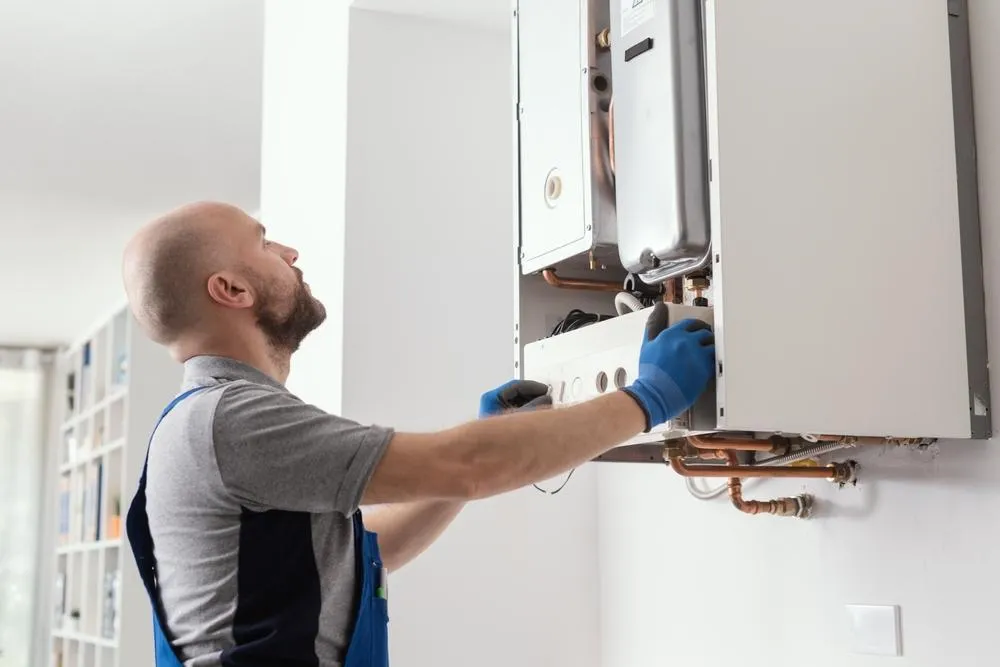
Tankless vs. Traditional Water Heaters: Which Is Right for You?
Water heaters are essential to daily comfort, whether you’re running a household or managing a commercial facility. From showering and laundry to food service and sanitation, a reliable hot water supply is non-negotiable. Choosing between a tankless or traditional model impacts not just efficiency, but also upfront cost, long-term savings, and system longevity. Understanding the core differences will help you make a smart investment tailored to your usage, space, and budget.
Both tankless and traditional water heaters serve the same purpose, but they operate in significantly different ways. A traditional unit stores hot water in a tank and heats it continuously, while a tankless model heats water on demand. Each type has its pros and limitations, especially when matched against your home’s or business's specific needs. With expert insight, the decision becomes clearer and more aligned with long-term plumbing goals.
Understanding How Water Heaters Work
Traditional water heaters use a storage tank that holds a specified number of gallons, usually between 30 and 80 for residential models. A heating element inside the tank keeps the water at a consistent temperature, regardless of actual demand. When you open a hot water tap, preheated water is released from the tank and replaced with cold water to be heated again. This continuous cycle ensures hot water is always available, but it also consumes more energy during idle periods.
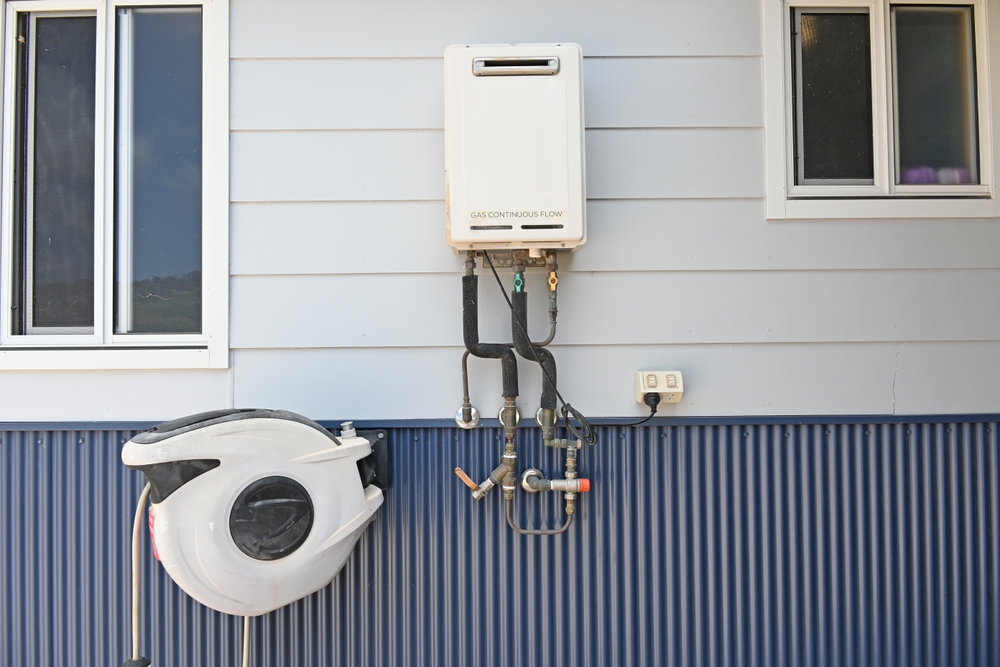
Tankless water heaters, also called on-demand units, heat water only when needed. As water flows through a heat exchanger, it rapidly reaches the desired temperature before reaching your faucet. There is no standby energy use because the unit remains idle until a hot water tap is activated. This method is generally more efficient, particularly in homes with moderate or sporadic hot water usage.
One major difference is flow rate. Tank systems can deliver a high volume at once but will run out if demand exceeds tank size. Tankless units can supply unlimited hot water over time but may struggle with simultaneous demand in larger homes. Understanding the capacity and limitations of each system is essential when determining which works best for your space.
Choosing between systems often comes down to daily usage patterns, household size, and fuel availability. Electric and gas models are available in both styles, with gas options typically offering faster heating. Your plumbing infrastructure and ventilation options also influence the type of heater that suits your property. Every system has installation and maintenance considerations that affect performance over time.
Energy Efficiency and Operating Costs of Water Heaters
One of the primary advantages of tankless water heaters is their energy efficiency. Because they heat water only as needed, they eliminate the standby losses common with tank systems. According to energy industry standards, a tankless unit can be up to 30 percent more efficient for homes using less than 40 gallons of hot water daily. Over time, this efficiency translates into lower utility bills and reduced environmental impact.
Traditional water heaters continuously maintain a set temperature in the tank, even when hot water is not being used. This means energy is consumed 24 hours a day, especially during colder months when the heater works harder to maintain temperature. Homes with high hot water demand may offset some inefficiency through constant usage. However, the base energy consumption remains higher than that of on-demand systems.
Tankless units may require a larger upfront investment, but the long-term savings on energy can be significant. Installation also tends to be more complex, requiring upgraded electrical circuits or gas lines. Once in place, however, tankless systems offer better performance per kilowatt or therm. For homeowners focused on energy reduction, this can be a compelling benefit.
It’s also worth considering insulation and unit placement. Tank heaters can lose heat through poorly insulated storage walls, especially in unconditioned spaces like garages. Tankless units, when installed near the point of use, minimize heat loss through piping. Efficiency is not only about fuel type, but also about how and where the unit operates.
Space Requirements and Installation Considerations
Traditional water heaters require considerable space to accommodate the tank and associated connections. For homeowners with dedicated utility rooms, this may not be an issue, but smaller homes or apartments may face limitations. In tight quarters, a full-size tank can consume valuable storage or create clearance challenges. The physical size of the tank must be matched to the available installation footprint.
Tankless water heaters offer a clear advantage in compact environments. They mount on a wall and occupy far less space, making them ideal for closets, utility nooks, or even outdoor installations. Their size allows for more flexible placement and easier access for maintenance. Smaller homes with lower demand often benefit the most from this efficient use of space.
Installation complexity varies for each system. Replacing a tank with another tank is relatively straightforward, especially if compatible venting and gas lines already exist. Installing a tankless system usually requires upgrades to venting, water lines, and often electrical capacity. While more expensive initially, tankless installation results in a cleaner layout and easier service access later.
Homeowners should also consider local building codes and permitting requirements. Some jurisdictions require specific venting or backflow preventers depending on water heater type. A professional plumbing service will handle all compliance issues during installation. Understanding these factors in advance helps prevent costly rework or delays.
Maintenance and Lifespan Differences Between Water Heaters
Traditional water heaters typically last 8 to 12 years with proper maintenance. Sediment buildup in the tank is a common issue that can reduce efficiency and cause premature failure. Regular flushing, anode rod inspection, and temperature control help extend the unit’s life. Despite this, tank-based systems are more prone to leaks as internal components degrade over time.
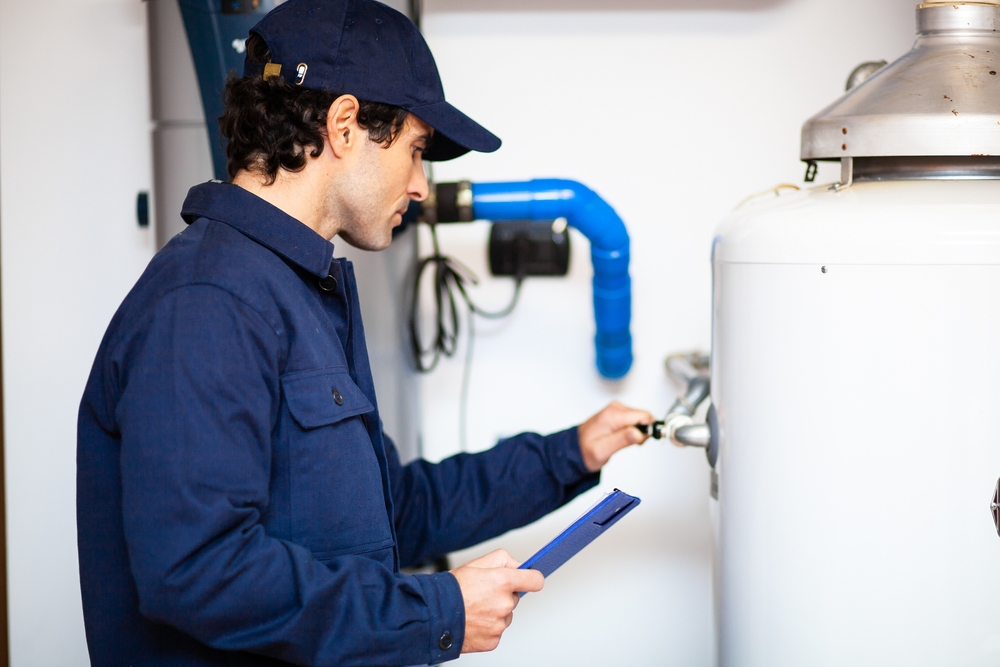
Tankless water heaters, when properly maintained, can last 15 to 20 years. Their compact design includes replaceable parts like heating elements, which extend usable life beyond most tank models. Tankless units also require descaling and cleaning, particularly in areas with hard water. Maintenance is less frequent, but should be handled professionally to protect performance and efficiency.
Both types of systems benefit from annual checkups to inspect valves, pressure relief mechanisms, and combustion performance. Water quality plays a significant role in determining how often maintenance is needed. Homes with hard water may need filters or softeners to reduce scale buildup. Without proper care, efficiency and flow rate will decline over time.
Longer lifespan often makes tankless systems more economical over the long term, despite higher initial cost. Owners should weigh the cost of replacement parts and service against potential savings. In either case, professional support ensures the unit runs safely and meets manufacturer specifications. A reliable plumber helps track maintenance intervals and addresses issues before they escalate.
Choosing the Right Water Heater for Your Home or Business
Selecting the right water heater involves evaluating household size, usage patterns, and installation logistics. A small family with moderate water use may find a tankless unit ideal for its energy efficiency and compact design. Larger households, or those with high simultaneous demand, may prefer a high-capacity traditional tank. Understanding your daily routines helps determine which unit delivers the most reliable performance.
Businesses with peak-hour demand—such as salons, laundromats, or food service—may benefit from hybrid systems or multiple tankless units. Consistent hot water supply is critical in commercial settings and requires professional sizing and layout planning. In homes, lifestyle choices like spa use or frequent guests can also influence capacity needs. The key is aligning the system’s performance with real-world conditions.
Water quality and location also matter. Homes with hard water or sediment issues may require additional filtration or maintenance regardless of heater type. Outdoor installations need weatherproofing and protection against freezing or wind exposure. Each factor contributes to the long-term success of the system and should be addressed before purchase.
Ultimately, the best system is one that matches your home’s plumbing infrastructure, usage requirements, and budget. An expert evaluation ensures all these factors are considered. With professional guidance, you can install a water heater that delivers comfort, reliability, and efficiency for years to come. Making an informed decision now helps avoid future service interruptions or replacements.
Get Expert Help Selecting and Installing Water Heaters
Choosing between tankless and traditional water heaters depends on how your home or business uses hot water every day. From energy efficiency and space limitations to installation complexity and lifespan, every factor plays a role in long-term performance. Whether you need steady volume or on-demand efficiency, working with a trusted plumbing service makes the difference. Contact Accurate Plumbing today to schedule a consultation and find the water heater system that’s built for your needs.

Insights That Flow From Experience.
Explore helpful tips, client stories, and expert advice from homeowners who trust Accurate Plumbing to get the job done right every time.
Tankless vs. Traditional Water Heaters: Which Is Right for You?
Water heaters are essential to daily comfort, whether you’re running a household or managing a commercial facility. From showering and laundry to food service and sanitation, a reliable hot water supply is non-negotiable. Choosing between a tankless or traditional model impacts not just efficiency, but also upfront cost, long-term savings, and system longevity. Understanding the core differences will help you make a smart investment tailored to your usage, space, and budget.
Both tankless and traditional water heaters serve the same purpose, but they operate in significantly different ways. A traditional unit stores hot water in a tank and heats it continuously, while a tankless model heats water on demand. Each type has its pros and limitations, especially when matched against your home’s or business's specific needs. With expert insight, the decision becomes clearer and more aligned with long-term plumbing goals.
Understanding How Water Heaters Work
Traditional water heaters use a storage tank that holds a specified number of gallons, usually between 30 and 80 for residential models. A heating element inside the tank keeps the water at a consistent temperature, regardless of actual demand. When you open a hot water tap, preheated water is released from the tank and replaced with cold water to be heated again. This continuous cycle ensures hot water is always available, but it also consumes more energy during idle periods.
Tankless water heaters, also called on-demand units, heat water only when needed. As water flows through a heat exchanger, it rapidly reaches the desired temperature before reaching your faucet. There is no standby energy use because the unit remains idle until a hot water tap is activated. This method is generally more efficient, particularly in homes with moderate or sporadic hot water usage.
One major difference is flow rate. Tank systems can deliver a high volume at once but will run out if demand exceeds tank size. Tankless units can supply unlimited hot water over time but may struggle with simultaneous demand in larger homes. Understanding the capacity and limitations of each system is essential when determining which works best for your space.
Choosing between systems often comes down to daily usage patterns, household size, and fuel availability. Electric and gas models are available in both styles, with gas options typically offering faster heating. Your plumbing infrastructure and ventilation options also influence the type of heater that suits your property. Every system has installation and maintenance considerations that affect performance over time.
Energy Efficiency and Operating Costs of Water Heaters
One of the primary advantages of tankless water heaters is their energy efficiency. Because they heat water only as needed, they eliminate the standby losses common with tank systems. According to energy industry standards, a tankless unit can be up to 30 percent more efficient for homes using less than 40 gallons of hot water daily. Over time, this efficiency translates into lower utility bills and reduced environmental impact.
Traditional water heaters continuously maintain a set temperature in the tank, even when hot water is not being used. This means energy is consumed 24 hours a day, especially during colder months when the heater works harder to maintain temperature. Homes with high hot water demand may offset some inefficiency through constant usage. However, the base energy consumption remains higher than that of on-demand systems.
Tankless units may require a larger upfront investment, but the long-term savings on energy can be significant. Installation also tends to be more complex, requiring upgraded electrical circuits or gas lines. Once in place, however, tankless systems offer better performance per kilowatt or therm. For homeowners focused on energy reduction, this can be a compelling benefit.
It’s also worth considering insulation and unit placement. Tank heaters can lose heat through poorly insulated storage walls, especially in unconditioned spaces like garages. Tankless units, when installed near the point of use, minimize heat loss through piping. Efficiency is not only about fuel type, but also about how and where the unit operates.
Space Requirements and Installation Considerations
Traditional water heaters require considerable space to accommodate the tank and associated connections. For homeowners with dedicated utility rooms, this may not be an issue, but smaller homes or apartments may face limitations. In tight quarters, a full-size tank can consume valuable storage or create clearance challenges. The physical size of the tank must be matched to the available installation footprint.
Tankless water heaters offer a clear advantage in compact environments. They mount on a wall and occupy far less space, making them ideal for closets, utility nooks, or even outdoor installations. Their size allows for more flexible placement and easier access for maintenance. Smaller homes with lower demand often benefit the most from this efficient use of space.
Installation complexity varies for each system. Replacing a tank with another tank is relatively straightforward, especially if compatible venting and gas lines already exist. Installing a tankless system usually requires upgrades to venting, water lines, and often electrical capacity. While more expensive initially, tankless installation results in a cleaner layout and easier service access later.
Homeowners should also consider local building codes and permitting requirements. Some jurisdictions require specific venting or backflow preventers depending on water heater type. A professional plumbing service will handle all compliance issues during installation. Understanding these factors in advance helps prevent costly rework or delays.
Maintenance and Lifespan Differences Between Water Heaters
Traditional water heaters typically last 8 to 12 years with proper maintenance. Sediment buildup in the tank is a common issue that can reduce efficiency and cause premature failure. Regular flushing, anode rod inspection, and temperature control help extend the unit’s life. Despite this, tank-based systems are more prone to leaks as internal components degrade over time.
Tankless water heaters, when properly maintained, can last 15 to 20 years. Their compact design includes replaceable parts like heating elements, which extend usable life beyond most tank models. Tankless units also require descaling and cleaning, particularly in areas with hard water. Maintenance is less frequent, but should be handled professionally to protect performance and efficiency.
Both types of systems benefit from annual checkups to inspect valves, pressure relief mechanisms, and combustion performance. Water quality plays a significant role in determining how often maintenance is needed. Homes with hard water may need filters or softeners to reduce scale buildup. Without proper care, efficiency and flow rate will decline over time.
Longer lifespan often makes tankless systems more economical over the long term, despite higher initial cost. Owners should weigh the cost of replacement parts and service against potential savings. In either case, professional support ensures the unit runs safely and meets manufacturer specifications. A reliable plumber helps track maintenance intervals and addresses issues before they escalate.
Choosing the Right Water Heater for Your Home or Business
Selecting the right water heater involves evaluating household size, usage patterns, and installation logistics. A small family with moderate water use may find a tankless unit ideal for its energy efficiency and compact design. Larger households, or those with high simultaneous demand, may prefer a high-capacity traditional tank. Understanding your daily routines helps determine which unit delivers the most reliable performance.
Businesses with peak-hour demand—such as salons, laundromats, or food service—may benefit from hybrid systems or multiple tankless units. Consistent hot water supply is critical in commercial settings and requires professional sizing and layout planning. In homes, lifestyle choices like spa use or frequent guests can also influence capacity needs. The key is aligning the system’s performance with real-world conditions.
Water quality and location also matter. Homes with hard water or sediment issues may require additional filtration or maintenance regardless of heater type. Outdoor installations need weatherproofing and protection against freezing or wind exposure. Each factor contributes to the long-term success of the system and should be addressed before purchase.
Ultimately, the best system is one that matches your home’s plumbing infrastructure, usage requirements, and budget. An expert evaluation ensures all these factors are considered. With professional guidance, you can install a water heater that delivers comfort, reliability, and efficiency for years to come. Making an informed decision now helps avoid future service interruptions or replacements.
Get Expert Help Selecting and Installing Water Heaters
Choosing between tankless and traditional water heaters depends on how your home or business uses hot water every day. From energy efficiency and space limitations to installation complexity and lifespan, every factor plays a role in long-term performance. Whether you need steady volume or on-demand efficiency, working with a trusted plumbing service makes the difference. Contact Accurate Plumbing today to schedule a consultation and find the water heater system that’s built for your needs.
Ready to raise the standard?
HOURS OF OPERATION
Monday - Sunday 24-hours


Contact Information
CHICO BRANCH
Call: (530) 894-1800
REDING BRANCH
Call: (530) 227-1717
YUBA CITY BRANCH
Call: (530) 534-1100
© 2025 Plumbing Company. All rights reserved.